
Last updated October 31, 2026
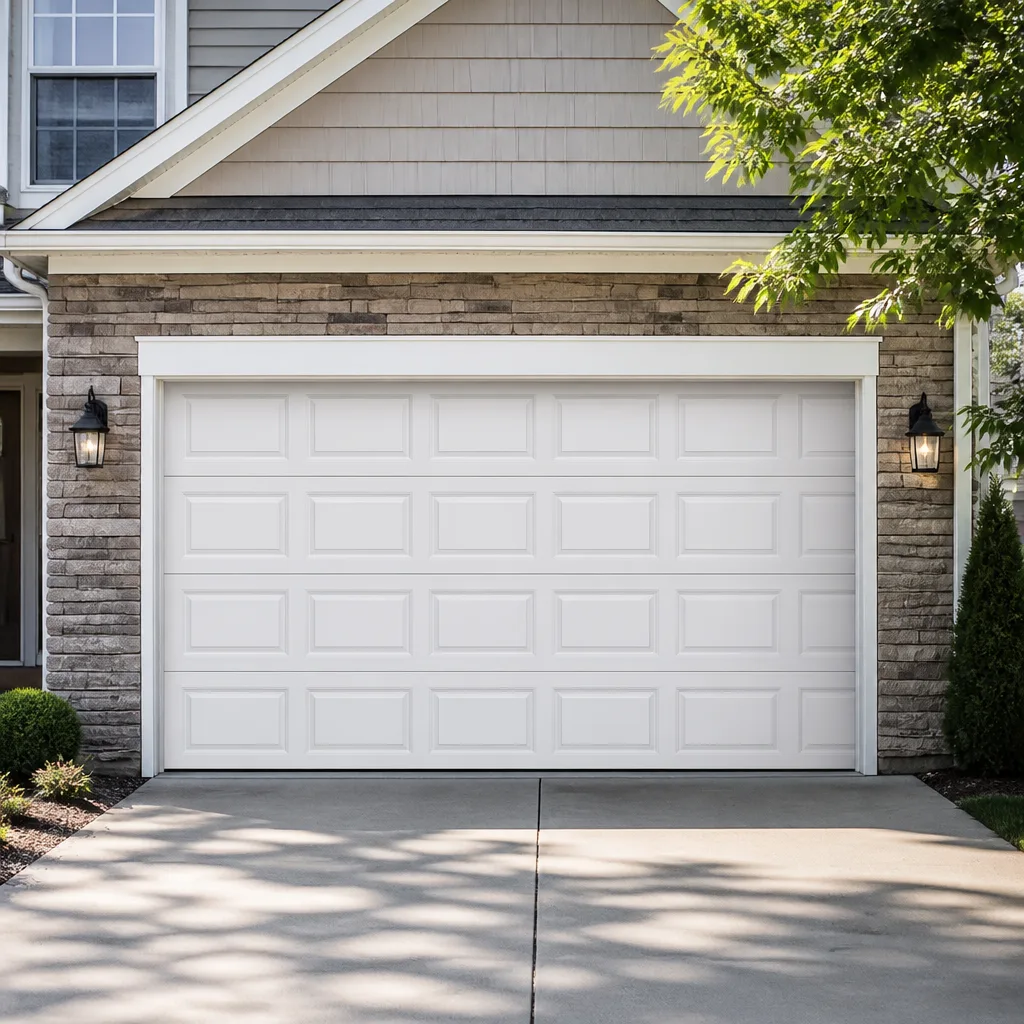 Raised-panel steel
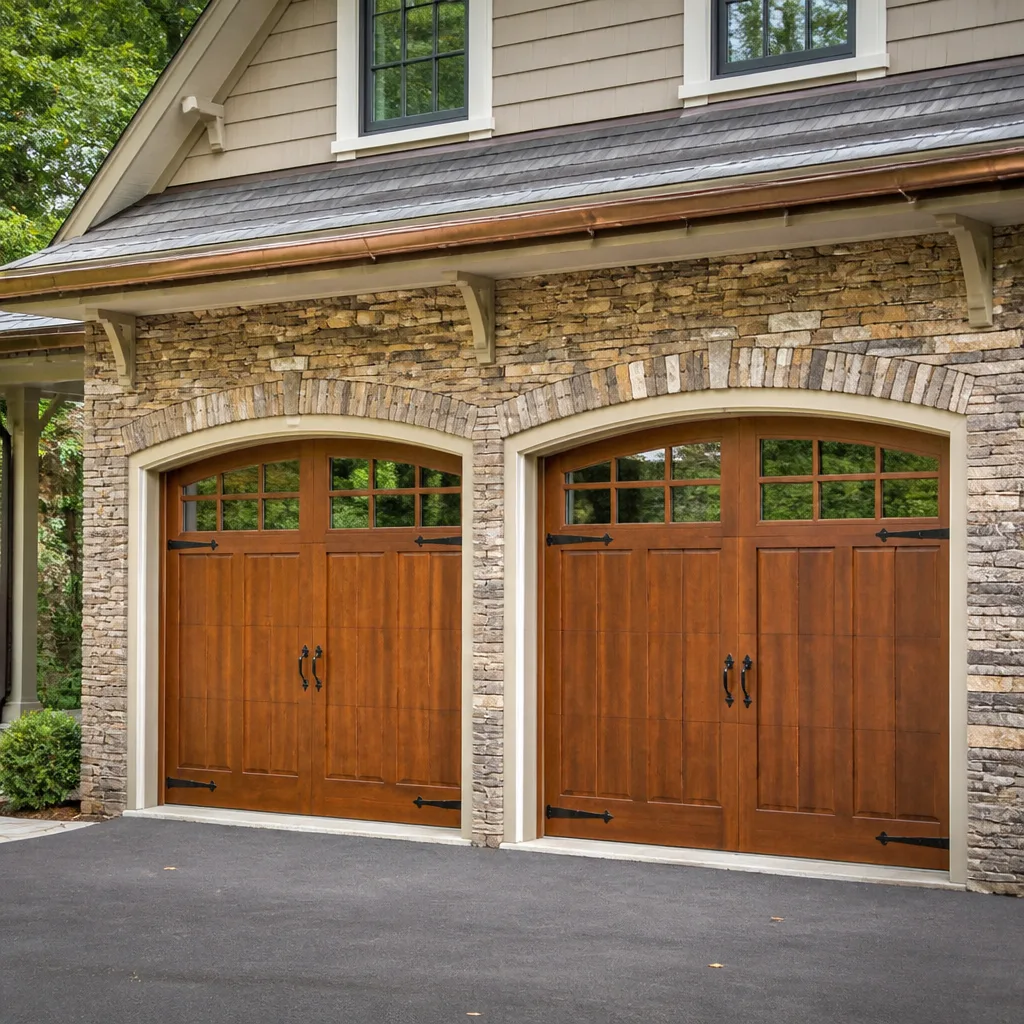 Carriage house
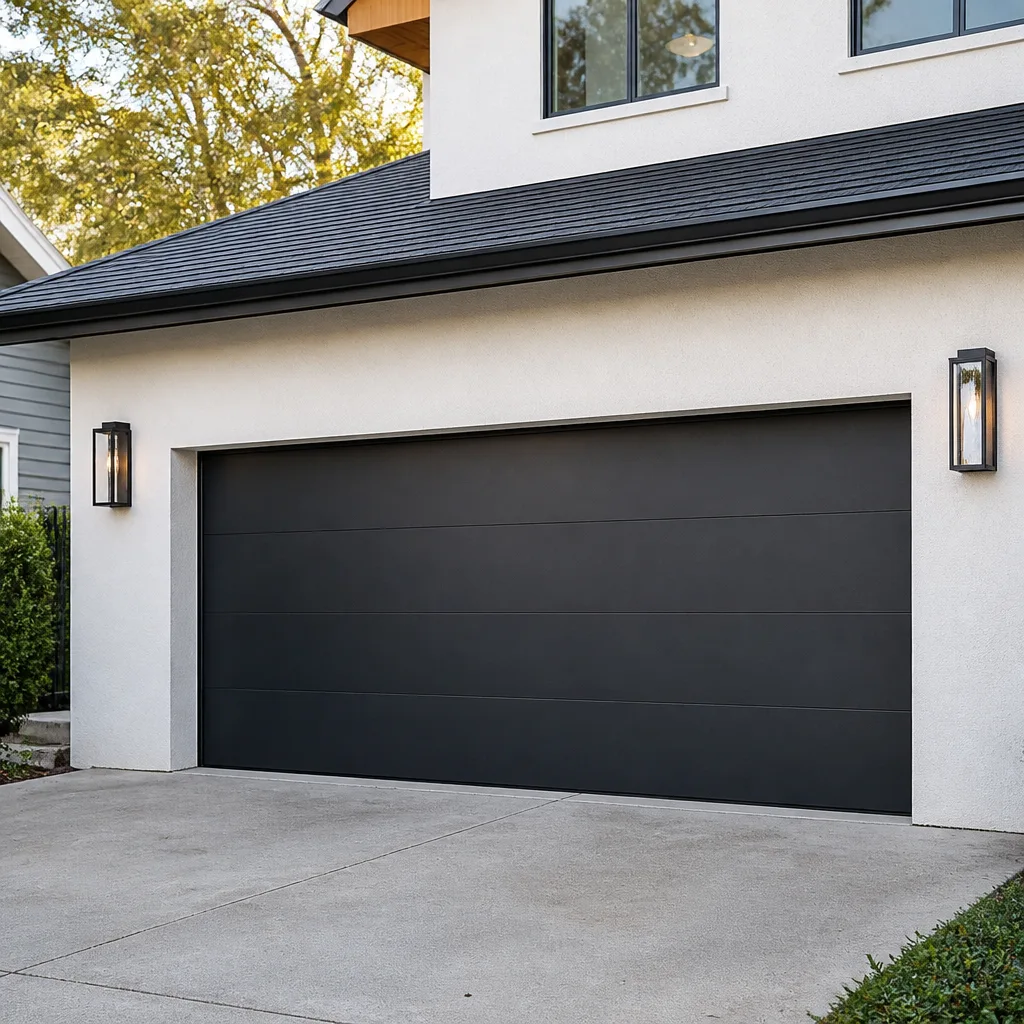 Modern flush
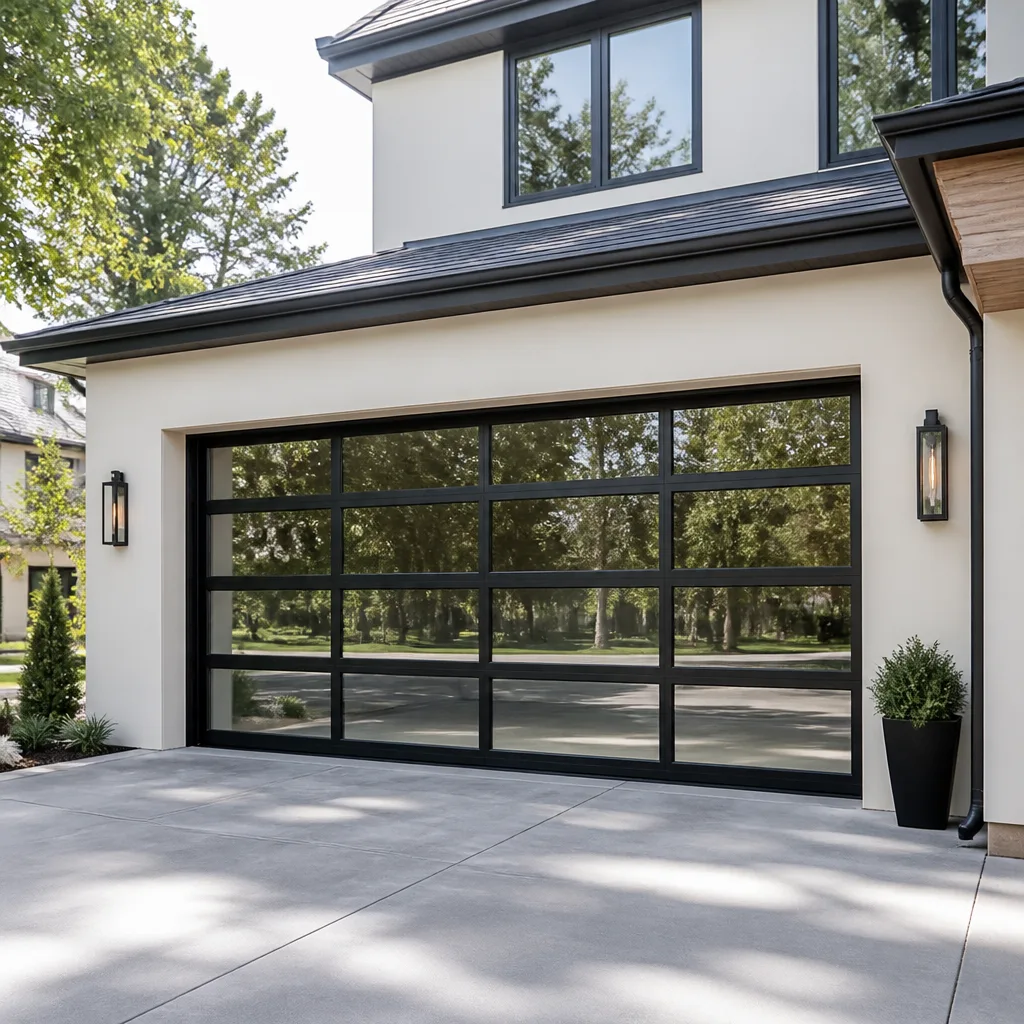 Full-view glass
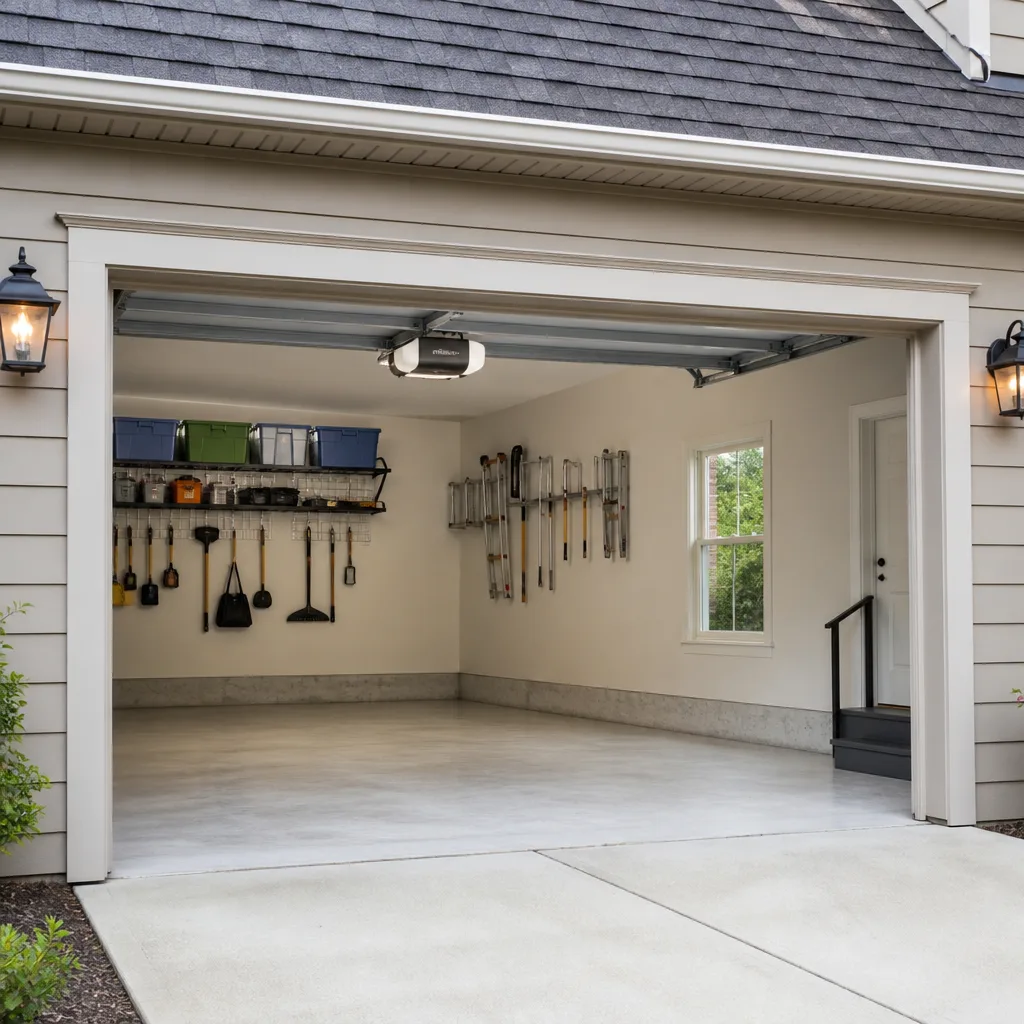 LiftMaster openers
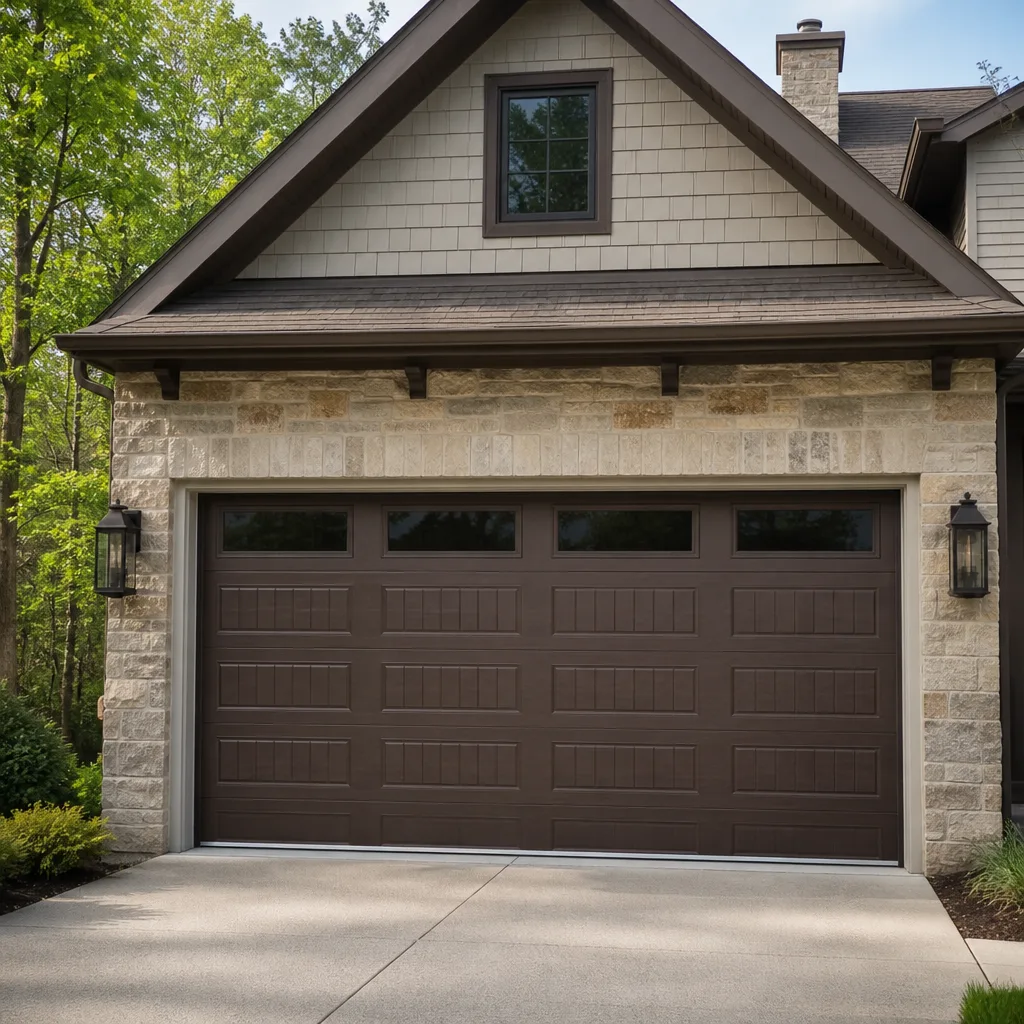 Chamberlain openers
Full 25-point door and opener safety check with every visit - springs, cables, rollers, tracks, and your LiftMaster or Chamberlain opener included
You get a price before we start. It does not change when the truck arrives.
Get your free estimateChoosing the Right Garage Door Brand: A Buyer’s Guide for San Diego
A premium garage door brand with thin local service coverage will cost you more over ten years than a mid-tier brand with stocked parts and trained technicians within 20 miles of your home. That’s the uncomfortable truth most buying guides skip. Here in San Diego, where salt air eats hardware and HOAs scrutinize every panel profile, the “best” brand isn’t the one with the glossiest catalog. It’s the one you can get serviced on a Tuesday afternoon when a spring snaps. This guide ranks the top eight garage door brands on the criteria that actually matter in this market: local parts availability, coastal corrosion performance, HOA acceptance, warranty substance, and opener compatibility. For a deeper dive, see The Complete Guide to Garage Door in San Diego.
Styles & brands we work with
Quick Answer
For most San Diego homeowners, Clopay and Amarr offer the strongest combination of local parts availability, coastal-grade finish options, HOA-friendly panel profiles, and transferable warranties. LiftMaster and Chamberlain remain the smartest opener choices because their parts are stocked throughout San Diego County and nearly every door technician is factory-familiar with them. The right choice depends less on brand loyalty and more on which manufacturer has the deepest service footprint within 20 miles of your neighborhood.
- Parts availability in San Diego County matters more than brand prestige because a two-week parts order turns a $200 repair into a security and access problem
- Homes within two miles of the Pacific need corrosion-resistant hardware and finish packages regardless of brand
- “Lifetime warranty” means different things across manufacturers; only some transfer to a new buyer
- Mismatched door and opener brands create long-term service complexity that costs real money over a door’s lifespan
- HOA communities in Carmel Valley, Rancho Bernardo, Poway, and Scripps Ranch favor specific panel profiles offered by only a few manufacturers
Table of Contents
- Local Serviceability Index: Which Brands Have Parts in San Diego
- Coastal Performance Ratings: Salt Air Survival by Brand
- HOA-Acceptance Rates: What San Diego Design Review Boards Approve
- Warranty Structure Analysis: What the Fine Print Actually Covers
- Brand-Specific Opener Compatibility: Smart Home Integration
- Steel vs. Composite vs. Wood: Material Reality for San Diego Homes
- Common Mistakes to Avoid
- When to Call a Professional
- Frequently Asked Questions
- The Bottom Line
Local Serviceability Index: Which Brands Have Parts in San Diego
Here’s a number that matters more than any R-value or PSI rating: how many days does it take to get a replacement part for your specific door brand in San Diego County. We looked at the eight brands we work with daily. The pattern is clear, and it should reshape how you shop.
Clopay, Amarr, and Wayne Dalton maintain the deepest distribution networks in Southern California. Their springs, hinges, rollers, cables, and panel sections are typically available through local supply houses in Miramar, Kearny Mesa, and Chula Vista, which means a technician can often complete a spring replacement the same day. Chamberlain and LiftMaster, while primarily known for openers, also have strong parts pipelines because their operator components are stocked by multiple distributors across the county.
Genie sits in a middle tier. Opener parts are generally accessible, but door-mechanical components under the Genie brand can require a distributor order that adds one to three business days.
Raynor and Craftsman present the sharpest contrast. Raynor builds a genuinely solid door, and its torsion spring assemblies are durable. But Raynor’s San Diego parts footprint is thinner than Clopay’s or Amarr’s. A specialty Raynor component may require a factory order with a three-to-five business day lead time, sometimes longer during peak season. Craftsman doors, now manufactured under licensing arrangements, face similar constraints: common parts are available, but less-common components can take a week to source.
We’ve seen this play out in real time across San Diego County. A homeowner in La Mesa with a Clopay spring failure gets service that afternoon because the spring is on a local distributor’s shelf. A homeowner in Carlsbad with a specialty Raynor panel needs a factory order, and their garage sits partially open for nearly a week. Same failure mode, completely different outcomes based on brand.
San Diego Serviceability Rankings
- Clopay – Best overall local parts availability; multiple distributors across San Diego County; specialty parts usually available within 48 hours
- Amarr – Comparable distribution depth to Clopay; strong presence in Southern California supply chains
- Chamberlain / LiftMaster – Opener components heavily stocked; door-mechanical parts available through multiple regional channels
- Wayne Dalton – Solid distribution, though some torque-master spring systems require specialized knowledge and tools
- Genie – Opener parts accessible; door parts may require distributor order
- Raynor – Quality hardware, thinner local parts footprint; factory orders common for non-standard components
- Craftsman – Common parts available; specialty components can take a week or longer to source
Our advice at Admiral Garage Door Repair home is simple: check parts availability for the exact model you are considering before you buy. Ask the dealer how many days a spring, panel, or hinge replacement takes to source in San Diego County. If the answer is vague, assume the worst.
Coastal Performance Ratings: Salt Air Survival by Brand
San Diego’s coastal neighborhoods, from Ocean Beach and Pacific Beach up through La Jolla, Del Mar, Encinitas, and Carlsbad, raise a specific question: how long does a garage door’s finish and hardware survive when marine air works on it daily? Homes within two miles of the Pacific experience meaningfully higher corrosion rates on steel components, especially springs, hinges, and track brackets.
Clopay and Amarr have invested most heavily in coastal-specific product lines. Clopay’s Ultra-Grain finish and its rust-resistant hardware packages hold up demonstrably better within the salt-air zone than standard builder-grade steel doors. Amarr’s Classica and Stratford collections, when ordered with coastal hardware upgrades, similarly outperform baseline steel in corrosion testing. Both manufacturers offer steel doors with galvanized track systems, stainless or galvanized springs, and composite or vinyl bottom brackets that resist the rust creep common on standard brackets.
Wayne Dalton’s ThermoMark series includes corrosion-resistant options, though they are not always the default specification; you have to explicitly order them. Raynor’s steel doors typically use galvanized steel in critical components, but their coastal hardware packages are less aggressively marketed, and some San Diego homeowners report faster surface rust on Raynor hardware without the upgrade.
Genie and Craftsman doors in the builder-grade category often use standard zinc-coated hardware, which is fine in El Cajon or Santee, but will show oxidation within eighteen to twenty-four months in Point Loma or Imperial Beach. If you live within two miles of the coast and are choosing a Genie or Craftsman door, pay close attention to whether the hardware package includes galvanized or stainless components; if it does not, budget for hardware replacement by year three.
Finish longevity varies just as much. Steel doors with polyurethane or polyester topcoats, common on Clopay and Amarr upper lines, generally last ten to fifteen years within coastal zip codes before showing visible oxidation. Builder-grade enamel finishes on entry-level doors from any brand can show rust speckling along panel edges in as little as three to five years. The Pacific is unforgiving to thin coatings.
Coastal Hardware Checklist for San Diego
- Galvanized or stainless steel torsion springs (not oil-tempered steel unless you are more than five miles inland)
- Galvanized track and track brackets with coated fasteners
- Corrosion-resistant rollers with sealed bearings (nylon rollers perform well in salt air)
- Composite or nylon-reinforced bottom brackets instead of raw steel
- Powder-coated or polyester topcoat finish, not thin enamel
- Stainless steel or coated hinge assemblies
- Exterior-grade weatherstripping that resists UV and salt degradation
The extra $150 to $350 for a coastal hardware package is the cheapest long-term decision you’ll make on a garage door in coastal San Diego.
HOA-Acceptance Rates: What San Diego Design Review Boards Approve
San Diego’s master-planned communities enforce design standards with genuine rigor. Carmel Valley, Rancho Bernardo, Poway, Scripps Ranch, Del Sur, and 4S Ranch have architectural committees that review garage door replacements against specific palette and profile requirements. If the door doesn’t match the approved look, the committee sends you back to the drawing board and your project stalls.
This is where brand selection gets practical. Clopay and Amarr have built their catalogs around the carriage-house and recessed-panel profiles that dominate Southern California HOA design language. Clopay’s Reserve Wood collection (wood composite) and its Coachman series (steel with overlay) clear design review boards in most San Diego communities because they mimic traditional wood grain and raised panel depth without the maintenance liability of real wood. Amarr’s Classica and Oak Summit collections serve the same function: classic profiles, modern materials, broad color ranges.
Wayne Dalton’s 9700 and Classic Steel series also appear frequently in San Diego HOA communities, particularly in Rancho Bernardo and Carmel Mountain, where the panel profiles match what was originally installed twenty to thirty years ago.
Raynor and Craftsman face stiffer design-review friction in more rigorous communities. Their standard builder-grade panel profiles read as “tract home” to architectural committees, which can cause rejection in communities like Del Sur or The Lakes above Rancho Santa Fe, where carriage-house or modern flush panels are the expectation. Genie’s door line, less prominent in Southern California, faces a simpler problem: limited panel profile diversity, which restricts options if your community requires a specific look.
If you live in an HOA community anywhere in San Diego County, pull your design review guidelines before you shop. Look for the approved profile names, approved color palette, and any restrictions on windows, hardware color, or material composition. Then match those requirements to a brand that actually offers that configuration. We’ve helped homeowners in Rancho Santa Fe with garage door installation projects where the architectural committee requirements drove the entire brand decision.
HOA Approval Tips for San Diego Homeowners
- Request the community’s architectural standards document before receiving any quotes
- Identify the specific panel profile types approved by the committee (recessed, raised, carriage, flush)
- Confirm the approved color palette; some communities restrict to three or four manufacturer-specific colors
- Check for window insert restrictions and hardware finish requirements (black, oil-rubbed bronze, satin nickel)
- Submit the exact manufacturer and model number with your application; architectural committees want specificity
- Budget 10 to 30 days for design review approval depending on the community’s committee cadence
Warranty Structure Analysis: What the Fine Print Actually Covers
“Lifetime warranty” is the most misleading phrase in the garage door industry. Every major manufacturer uses it, and almost none of them mean what you think they mean.
Here is what the fine print actually says for the brands we service. Clopay offers a limited lifetime warranty on steel door sections against rust-through, but that warranty is pro-rated after year one. The hardware (springs, hinges, rollers) typically carries a one-to three-year warranty, not lifetime. Amarr’s warranty structure mirrors this: limited lifetime on door sections, shorter terms on hardware, and explicit exclusions for coastal environments unless the coastal hardware package was purchased. A standard Amarr door installed within two miles of salt water in San Diego, without the corrosion package, may have its finish warranty voided or reduced.
Wayne Dalton’s warranties vary significantly by product line. The 9700 series carries different terms than the ThermoMark series. Read the specific warranty certificate for the model you are buying, not the marketing headline.
Chamberlain and LiftMaster offer some of the cleanest opener warranties in the industry. LiftMaster’s premium openers include a lifetime motor warranty on select models, with parts warranties ranging from one to five years depending on the model tier. Chamberlain’s belt-drive openers carry similar terms. These warranties are relatively straightforward compared to door warranties.
Transferability is the variable most buyers overlook. A transferable warranty can add real value if you sell your San Diego home within a few years. Clopay’s steel door warranties are generally transferable to a new owner, subject to documentation. Amarr offers transferability on some lines with proper registration. Wayne Dalton and Raynor warranties vary by model and often require notification within a specific window after the sale. Craftsman warranties have changed since the brand’s manufacturing transition; current terms are shorter and more restrictive than the old Sears-era coverage.
Warranty Questions to Ask Before You Buy
- Is the door section warranty pro-rated, and at what percentage after year one?
- Does the warranty cover the finish, or only rust-through of the steel substrate?
- What is the exact warranty term on springs, hinges, rollers, cables, and track?
- Are coastal environments excluded or limited unless a specific hardware package is ordered?
- Is the warranty transferable to a new homeowner, and what steps are required to transfer it?
- Does installation by a non-authorized installer void the warranty?
- What documentation must be retained to file a claim?
We routinely see San Diego homeowners who paid extra for a “lifetime warranty” that covered a prorated door section while their springs, the component that actually fails, carried a one-year term. Read the certificate before you sign.
Brand-Specific Opener Compatibility: Smart Home Integration
Your garage door and your garage door opener are separate systems that must communicate properly. The fastest way to create long-term service complexity is pairing a door that needs one operating force profile with an opener calibrated for another, or pairing a smart-home ecosystem with an opener that speaks a different protocol.
Chamberlain and LiftMaster dominate smart home integration. Both brands are owned by Chamberlain Group, and their MyQ platform is the most broadly compatible smart garage ecosystem available in San Diego homes. MyQ integrates natively with Amazon Key, Google Assistant, and, depending on the model, Apple HomeKit through a bridge. If you want to check whether your garage door is open from your phone while you’re at a Padres game downtown, a Chamberlain or LiftMaster opener with MyQ is the most frictionless path.
Genie’s Aladdin Connect platform is competent but less deeply integrated with third-party smart home ecosystems. It works reliably for basic remote access and scheduling, but the integration surface with Alexa, Google Home, and Apple HomeKit is narrower than MyQ’s.
Door brand matters less for opener compatibility than opener brand matters. But there are exceptions. Wayne Dalton’s TorqueMaster spring system operates differently from standard torsion spring systems, which means opener force settings and travel limits need to be calibrated with that system in mind. A technician unfamiliar with TorqueMaster can mis-calibrate an opener and cause premature gear wear or door imbalance. Raynor’s heavy-duty commercial-style doors likewise require openers with appropriate horsepower ratings and duty cycles; a residential-grade opener on a heavy Raynor door will fail early.
For San Diego homeowners, the practical guidance is this: choose your opener brand based on smart home compatibility and local service depth, then ensure the technician calibrates it to your specific door’s weight, balance, and spring system. A mismatched pairing, like a cheap builder-grade opener struggling against a heavy Amarr Classica door, will wear out the opener gear and potentially warp the top panel over time. We treat garage door opener repair in Rancho Santa Fe as its own diagnosis precisely because opener failures often masquerade as door problems, and vice versa.
Smart Home Compatibility Quick Reference
- Amazon Alexa: Native with Chamberlain/LiftMaster MyQ; limited with Genie Aladdin Connect
- Google Home: Native with MyQ; limited with Aladdin Connect
- Apple HomeKit: Requires HomeKit bridge for MyQ; limited support for other platforms
- Amazon Key in-garage delivery: Requires MyQ-compatible Chamberlain or LiftMaster opener
- Local control without cloud: Some Genie and Chamberlain models offer local-only operation modes
Steel vs. Composite vs. Wood: Material Reality for San Diego Homes
Garage door materials fall into three practical categories for San Diego homes, and each behaves differently in our climate.
Steel is the default for most San Diego homes because it’s affordable, durable, and available in a wide range of panel profiles and colors. Clopay, Amarr, Wayne Dalton, Raynor, Genie, and Craftsman all build steel doors. The quality range is wide; entry-level steel doors use 25-to-27-gauge steel with thin finishes, while premium lines use 24-gauge or thicker steel with polyurethane insulation and polyester topcoats. For homes within two miles of the coast, steel requires the coastal hardware package we described earlier or surface rust becomes inevitable.
Composite, meaning steel-over-wood-composite or fiberglass-facing, is a growing segment in San Diego’s HOA communities. Clopay’s Reserve Wood and Amarr’s Classica line use composite materials that mimic wood grain but resist the warping, splitting, and rot that real wood suffers in coastal humidity. Composite doors cost 20 to 40 percent more than comparable steel doors, but they’re the right answer for homeowners who want wood-look aesthetics without wood-maintenance liabilities, and they clear design review in communities that prohibit real wood.
Real wood is rare in San Diego garage door applications and for good reason. Solid redwood or cedar doors are stunning for the first five years, but marine air, intense UV, and seasonal humidity fluctuations cause warping, finish failure, and joint separation. A real wood door in La Jolla requires annual refinishing and will still cost more to maintain over fifteen years than a composite door with a wood-look finish. We advise against real wood for any San Diego home within five miles of the coast, and generally advise against it everywhere in the county unless you enjoy maintaining it as a hobby.
Material Selection Guide by San Diego Zone
- Within 2 miles of coast: Steel with coastal hardware package, or composite; avoid raw steel hardware and real wood
- 2 to 10 miles inland (Clairemont, Mira Mesa, La Mesa): Steel with standard hardware is acceptable; composite optional
- 10+ miles inland (El Cajon, Santee, Poway, Alpine): Standard steel works well; UV exposure is the main concern so choose a fade-resistant finish
- HOA communities anywhere in the county: Match the palette and profile requirements first, then choose material within those constraints
Common Mistakes to Avoid
- Choosing a brand with no local parts support. A beautiful Raynor or specialty Genie door is a liability if every repair requires a factory order. Confirm parts availability in San Diego County before you commit.
- Buying “lifetime warranty” without reading the hardware terms. The door section warranty is not the spring warranty. Springs fail in five to ten years on average, not a lifetime.
- Specifying a coastal home without coastal hardware. A standard steel door in Ocean Beach or Carlsbad will show rust on hinges and brackets within eighteen months. Order the galvanized hardware package.
- Ignoring HOA requirements until after purchase. The door arrives, the design review fails, and you’re stuck paying a restocking fee to exchange a panel profile that was never going to clear the committee anyway.
- Pairing a cheap opener with a heavy premium door. A builder-grade opener on a heavy Amarr or Clopay door will burn through gears and control boards faster than you’d expect. Match opener capacity to door weight.
- Assuming all steel doors are the same. The difference between 27-gauge builder steel and 24-gauge premium steel is substantial in coastal San Diego, both in noise, stability, and finish longevity.
- Focusing only on the door panel and forgetting the track and hardware. The panel is what you see, but the track, springs, hinges, and rollers are what fail. The hardware stack matters as much as the panel.
When to Call a Professional
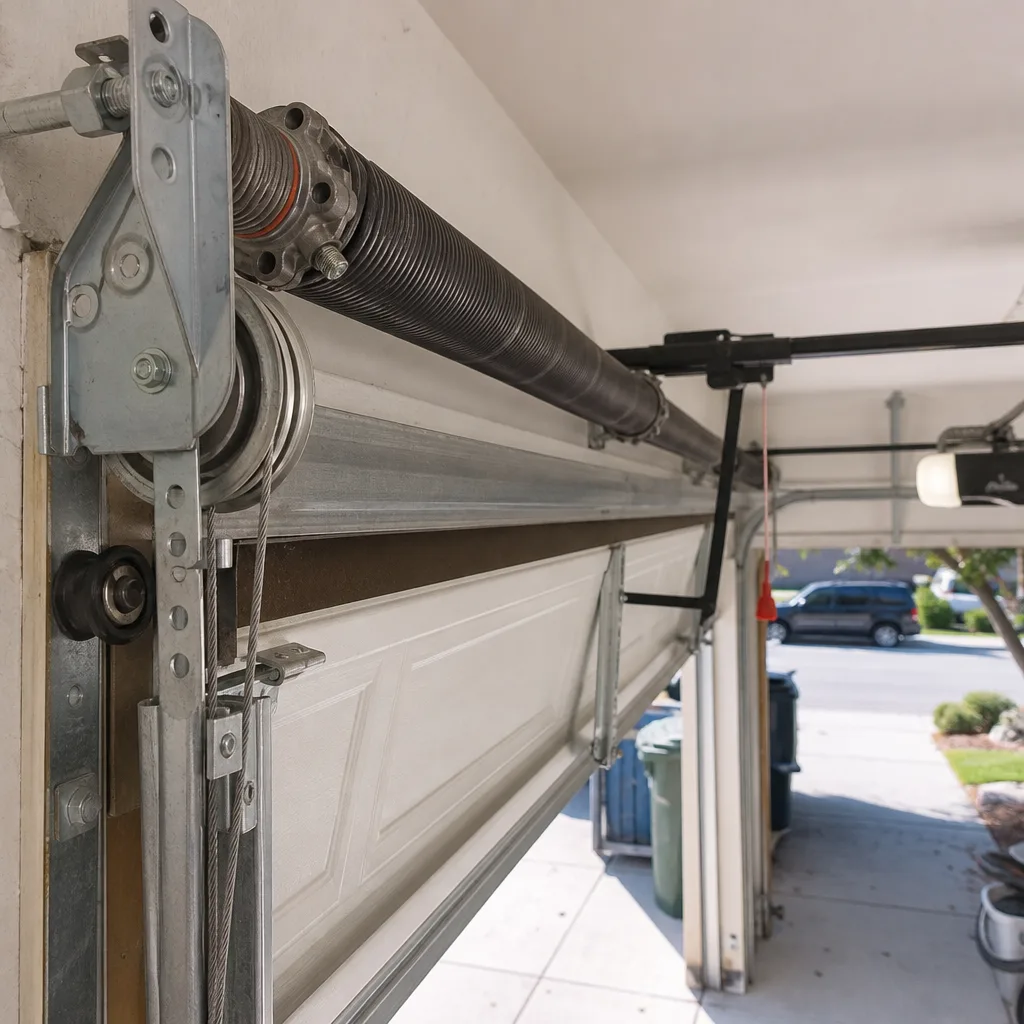
Replacing a garage door in San Diego is a structural project, not a casual weekend task. Springs under tension store enough energy to cause serious injury, and door panels weigh hundreds of pounds. If your current door is sagging, the track is misaligned, the spring is showing rust or gaps, or the door doesn’t balance when disconnected from the opener, call a specialist before attempting anything yourself.
Installation and major repairs should always involve a professional who is factory-familiar with your specific brand. The calibration between door weight, spring tension, track alignment, and opener force is precise, and getting it wrong means premature component failure, noise, and safety risk. Garage door repair in Rancho Santa Fe and across San Diego County involves brand-specific torque settings and balance measurements that only make sense if the technician knows the door’s engineering.
Admiral Garage Door Repair offers free estimates in San Diego, call (833) 467-4069. We’ll assess your current door, confirm what’s repairable versus what should be replaced, and recommend brands based on parts availability in your specific part of the county.
Frequently Asked Questions
Clopay and Amarr offer the best combination of local parts availability, coastal hardware options, HOA-friendly panel profiles, and transferable warranties for most San Diego homes. The right choice depends on your proximity to the coast, HOA requirements, and whether you need smart home integration, but those two manufacturers lead on serviceability across the county. Call (833) 467-4069 for a brand-specific recommendation based on your home’s location and requirements.
A well-maintained steel garage door with a quality finish typically lasts 15 to 20 years in San Diego, while hardware components like springs last 7 to 10 years and rollers 5 to 7 years. Coastal homes within two miles of the Pacific may see reduced finish longevity unless a corrosion-resistant hardware package was specified at purchase.
Yes, homes within two miles of the Pacific in neighborhoods like Pacific Beach, La Jolla, Del Mar, and Carlsbad should specify galvanized steel springs, corrosion-resistant brackets, and coated track systems. Standard zinc-coated hardware in these zones typically shows visible rust within 18 to 24 months.
In most cases, yes. If you need a panel replacement or want to match your existing door’s look, Clopay, Amarr, and Wayne Dalton panel profiles are widely available through San Diego County distributors. Some specialty brands like Raynor or Craftsman may require a factory order. Call (833) 467-4069 with your door’s model number and we’ll confirm parts availability before you schedule replacement.
Transferability varies by manufacturer and product line. Clopay’s steel door warranties are generally transferable with proper documentation, Amarr offers transferability on select lines, and other brands vary by model and require notification. Read the specific warranty certificate for your door model before assuming coverage continues after a sale.
Yes, opener brand matters more than door brand for smart home integration. Chamberlain and LiftMaster openers with MyQ offer the broadest compatibility with Amazon Alexa, Google Home, and Apple HomeKit. Genie’s Aladdin Connect is functional but less deeply integrated. Choose your opener brand for compatibility and local parts availability, then ensure the technician calibrates it to your specific door.
The Bottom Line
The best garage door brand for your San Diego home is the one with stocked parts, local technicians who know its engineering, coastal-grade hardware if you live near the Pacific, and panel profiles your HOA will actually approve. For most homes in this county, Clopay and Amarr lead on that scorecard. Pair your door with a Chamberlain or LiftMaster opener for smart home capability and the deepest service footprint. Ignore the brand loyalty instinct; shop based on serviceability and coastal suitability instead, and you’ll pay less over the door’s lifetime. For more guides & resources on maintaining and upgrading your garage door, explore our blog.
Written by the team at Admiral Garage Door Repair, serving San Diego since 2015.
For a free estimate on garage door repair, opener service, or full installation in San Diego, call (833) 467-4069.
See the difference
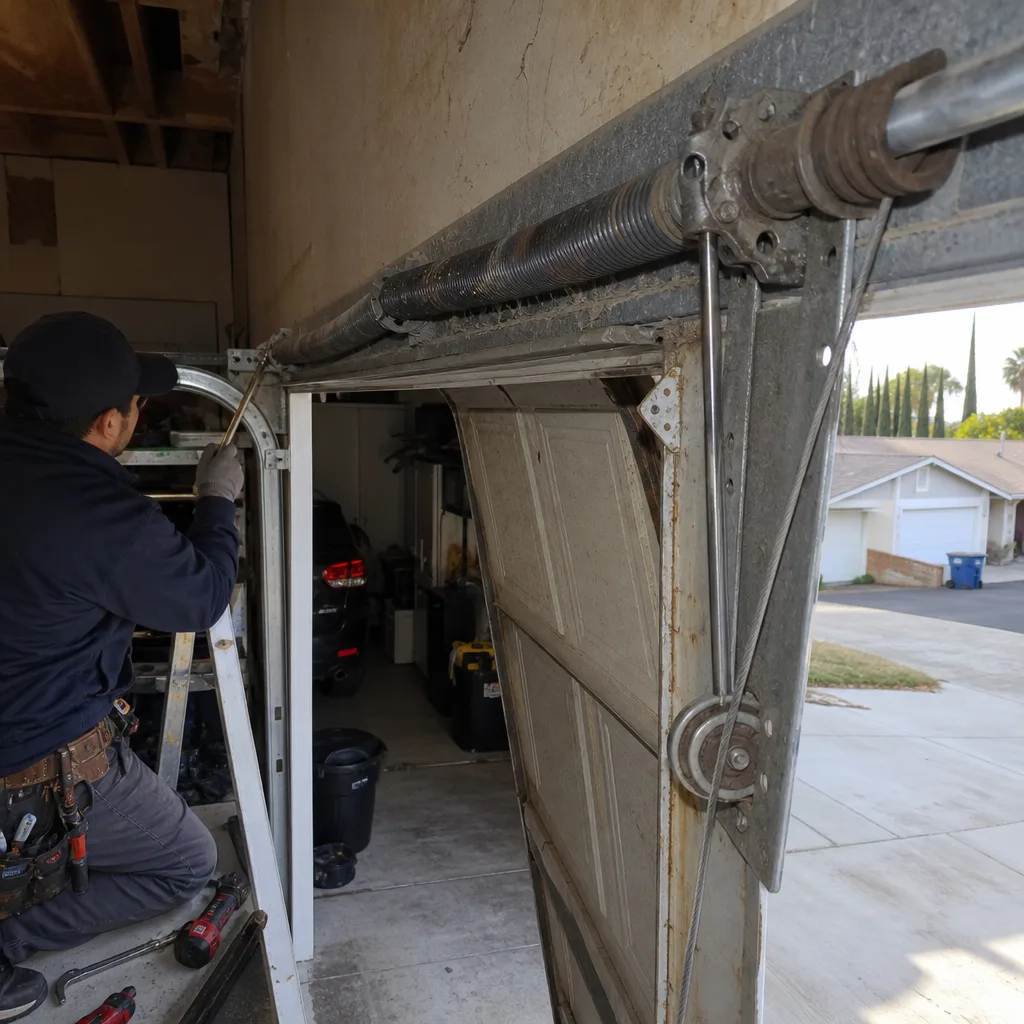 Before
 After
 Before
 After
 Before
 After