

Last updated October 31, 2026
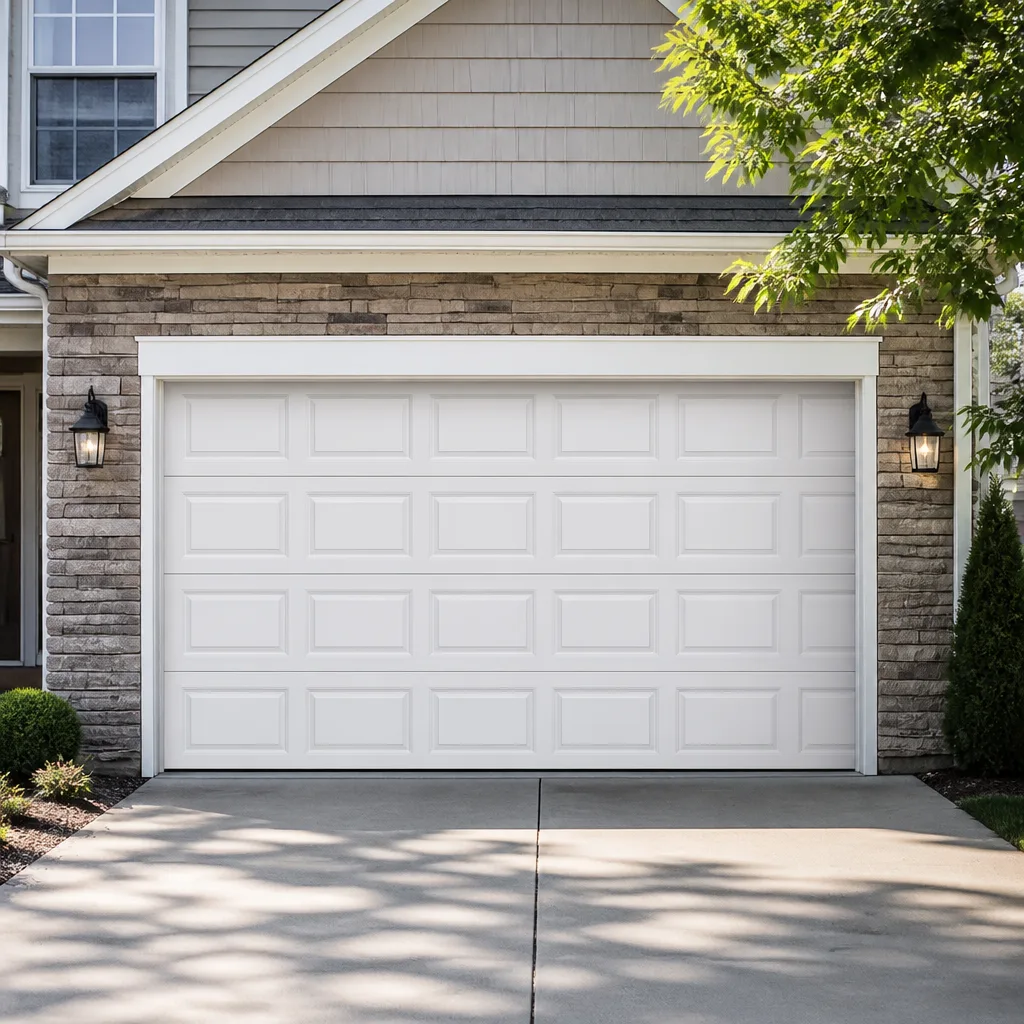 Raised-panel steel
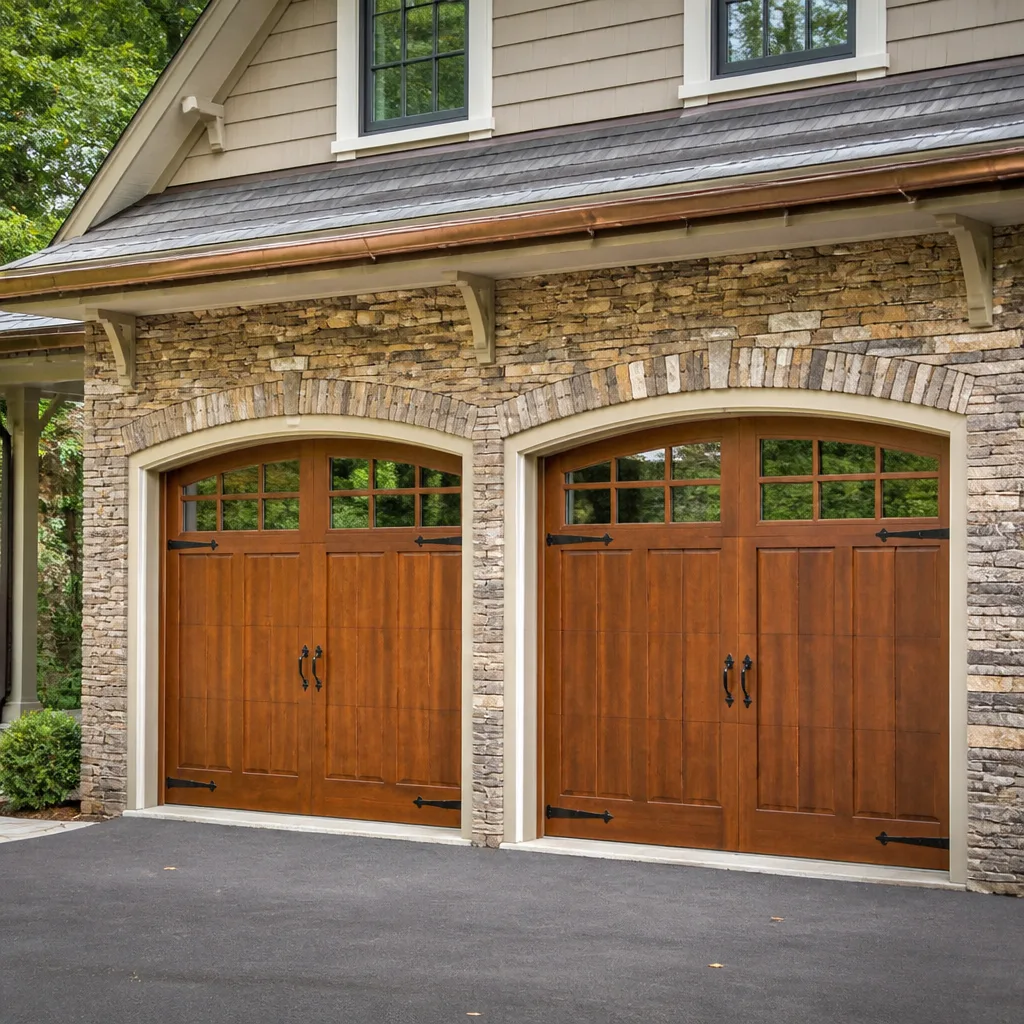 Carriage house
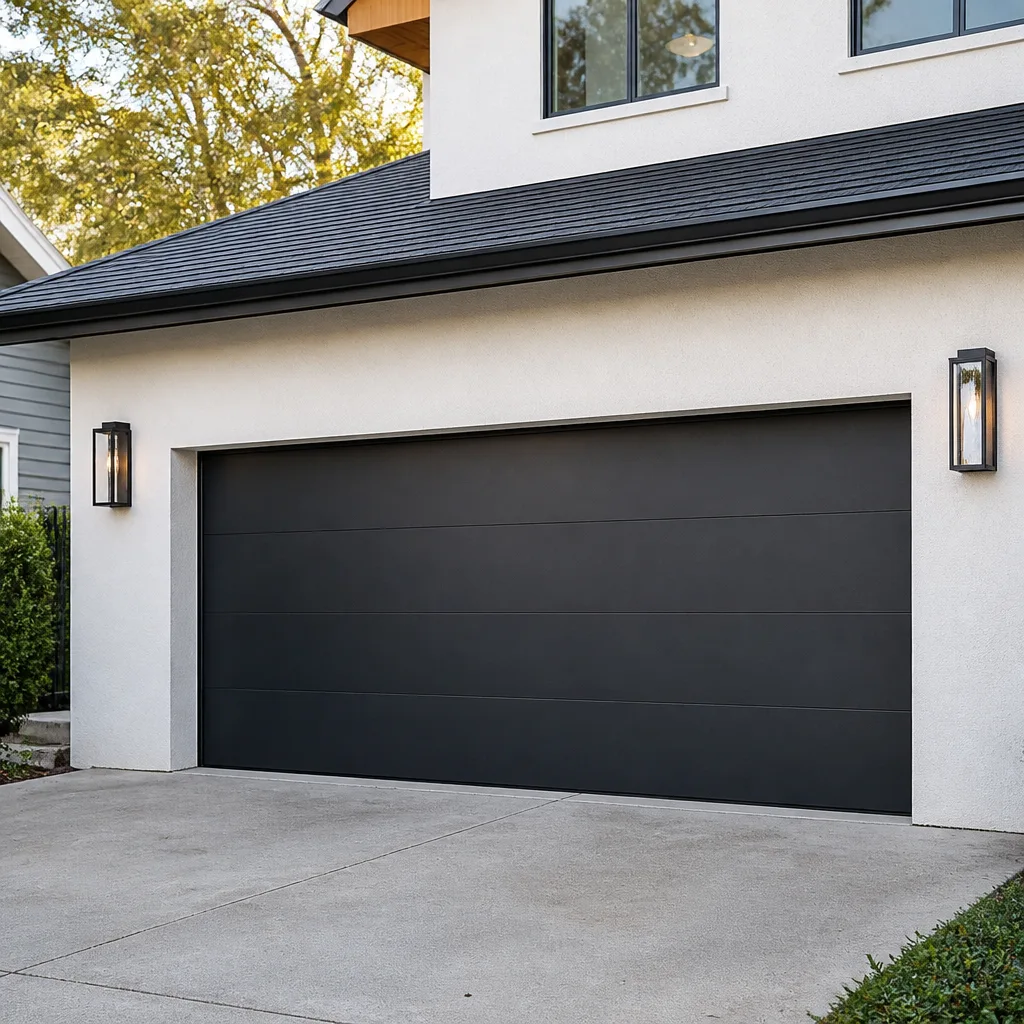 Modern flush
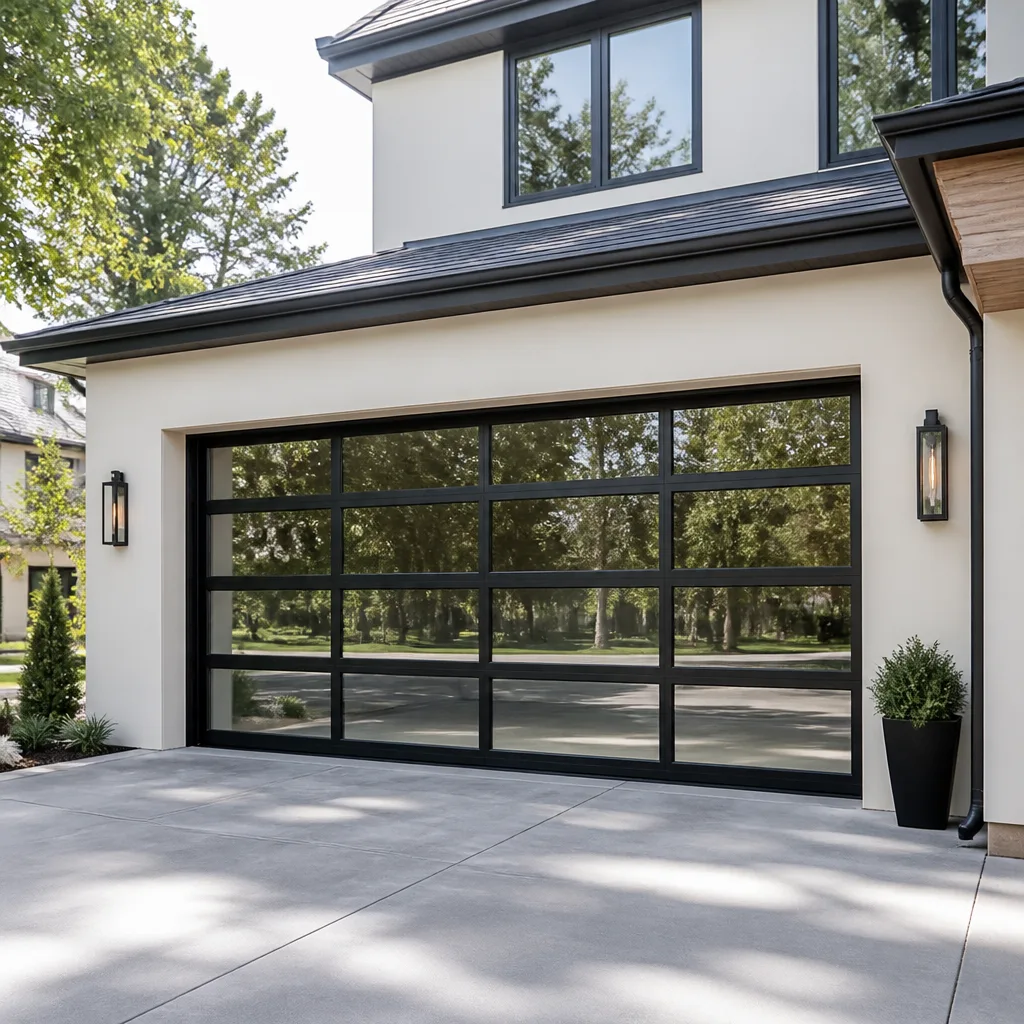 Full-view glass
 LiftMaster openers
 Chamberlain openers
Full 25-point door and opener safety check with every visit - springs, cables, rollers, tracks, and your LiftMaster or Chamberlain opener included
You get a price before we start. It does not change when the truck arrives.
Get your free estimateGarage Door Permits, Codes & Inspections in CA: What You Need to Know
Here’s something that catches most San Diego homeowners off guard: the county recorder’s office doesn’t care about your garage door, but the next buyer’s title company might. A garage door replacement that slides under the permitting radar can surface years later as a disclosure headache, a flagged inspection item, or a title report exception during escrow. This guide walks you through exactly what California requires, where local cities like Chula Vista and El Cajon break from the state baseline, what inspectors actually put their hands on, and how to stay clean without turning a two-hour job into a six-week ordeal.
Quick Answer
In California, garage door permits are triggered when the work involves structural changes to the opening (header, jambs, framing), new electrical circuits for openers, or panel replacement in designated wildfire hazard zones. A like-for-like panel or spring swap on an existing opening typically does not require a permit in most San Diego County jurisdictions. The safest path is to check with your city’s building department before any work beyond a simple repair, because the answer changes based on your specific address, fire zone designation, and the scope of the job.
Styles & brands we work with
Table of Contents
- When a Permit Is Actually Required in California
- How San Diego City, County, Chula Vista, and El Cajon Differ
- What a Garage Door Inspection Actually Covers
- How Unpermitted Garage Door Work Shows Up on Title Reports
- HOA Approval vs. City Permit: Which Comes First
- Fire Hazard Zones and Garage Door Panel Requirements
- Opener Electrical Work and Code Compliance
- Common Mistakes to Avoid
- When to Call a Professional
- Frequently Asked Questions
When a Permit Is Actually Required in California
California building code draws a line between work that alters a structure and work that maintains it. Most garage door repairs fall on the maintenance side of that line. Replacing a broken spring, swapping out rusted rollers, installing new weatherstripping, or even replacing the door panels on an existing track system is considered maintenance or minor repair in the California Residential Code (CRC). No permit needed. The work doesn’t change the structural opening, doesn’t touch the electrical system, and doesn’t alter the building envelope in any way that affects fire rating or energy compliance.
What does trigger a permit? Here’s where it gets specific. Any of the following typically requires a permit in California:
- Structural alterations to the opening: Widening the garage door opening, replacing the header beam, reinforcing jambs, or changing the rough opening dimensions. This is structural work. Your local building official will want drawings, a plan review, and an inspection.
- New electrical circuits: Installing a new garage door opener that requires a dedicated circuit where one doesn’t exist, running new wiring, or adding an outlet. In California, electrical permits are required for new circuits. If you’re simply plugging an opener into an existing outlet, no permit is needed.
- Full door replacement in a fire hazard zone: California’s Wildland-Urban Interface (WUI) building standards mandate specific garage door construction in designated fire hazard severity zones. If your home sits in one of these zones, replacing the garage door may require a permit to verify the new door meets WUI requirements.
- Converting a garage to living space: This one is bigger than a door, but it’s worth knowing. If you’re converting a garage into an ADU or living space, the garage door removal or replacement becomes part of a larger permit that involves the entire conversion.
In our experience working across San Diego, we’ve seen homeowners get surprised by the fire-zone rule most often. They buy a house in Rancho Bernardo or Scripps Ranch, replace a tired wooden door with a steel one from Clopay, and discover during the next refinance that the work should have been permitted because the property sits in a mapped fire hazard zone. It’s a paperwork fix, not a structural one, but it’s still a hassle that a quick call to the building department would have avoided. For a deeper look at what to watch for, see our Garage Door Warning Signs: A San Diego Homeowner’s Reference Guide.
How San Diego City, County, Chula Vista, and El Cajon Differ
California’s state code provides the floor. Local jurisdictions can add their own amendments on top. San Diego County has four distinct building authorities with meaningful differences in how they handle garage door work. If you’re a homeowner here, you need to know which one governs your address.
City of San Diego
The City of San Diego follows the California Residential Code with relatively few local amendments specific to garage doors. For standard repairs and like-for-like replacements, the Development Services Department doesn’t require a permit. Structural work and new electrical circuits do require permits. San Diego’s building inspection division is accessible, and their online permit portal handles simple electrical permits quickly. Fire zone requirements are enforced based on the city’s adopted WUI maps.
San Diego County (Unincorporated Areas)
Unincorporated communities like Fallbrook, Ramona, Lakeside, and portions of Spring Valley fall under San Diego County’s Building Services Division. The county tends to be more rigorous about fire zone compliance than the city, because so much of its unincorporated territory sits in high-severity fire hazard areas. Plan checks for garage door replacements in these zones are more likely to happen. The permitting process itself is straightforward, but expect a longer review timeline during peak rebuilding seasons following fire events.
City of Chula Vista
Chula Vista enforces its own building code through the Building Division. The city’s process mirrors the state baseline, but their inspectors are known for being detail-oriented on garage door installations involving new openers. Specifically, Chula Vista inspectors will look at the electrical connection point and verify that any newly installed outlet serving a garage door opener has GFCI protection where required and is properly secured. Homeowners in Chula Vista should expect a site visit for any permitted garage door work, including opener electrical additions.
City of El Cajon
El Cajon’s Building Safety Division has a reputation for being practical about garage door work. Repairs and panel replacements on existing openings are handled as no-permit work. New opener installs that use an existing outlet pass without review. The one area where El Cajon is stricter than the state baseline is on structural modifications. Any change to the garage opening’s dimensions, including raising the header for a taller door, triggers a full plan review with engineering stamps required.
The pattern across all four jurisdictions: simple repairs and like-for-like replacements are maintenance work. Structural changes and new electrical circuits move you into permit territory. Fire zone rules layer on top of everything for high-severity areas. When you’re unsure which jurisdiction governs your property, your council tax bill or property assessment will identify your taxing authority, and that’s the building department you call.
What a Garage Door Inspection Actually Covers
If your garage door work does require a permit, an inspector will visit at some point to verify compliance. Knowing what they check helps you avoid a failed inspection that costs you another trip and another fee. Here’s what a San Diego area garage door inspector is trained to look at.
- Structural integrity of the opening: The inspector verifies that the header is properly sized and supported, that the jambs are plumb and secure, and that the track mounting points have solid backing. They’ll reject rough carpentry that looks undersized or under-secured.
- Fire rating of the door assembly: In WUI zones, the inspector checks the door’s fire resistance rating against the local standard. A 20-minute rated door or a solid-core wood door with specific edge sealing may be required depending on the exact fire hazard severity classification of your property.
- Opener electrical connection: If new electrical work was part of the permit, the inspector verifies the circuit is dedicated, properly grounded, and that the outlet is installed in a code-compliant location. They also check that the opener’s emergency release function works and that the manual override isn’t obstructed.
- Photo-eye sensors: This is the single most common failure item. Inspectors verify that the photoelectric sensors are mounted within 6 inches of the floor, aligned correctly, and function to reverse the door when the beam is interrupted. Sensors that are mounted too high or poorly aligned get flagged.
- Auto-reverse force settings: The inspector tests the door’s resistance-based auto-reverse, verifying that the door reverses when it encounters resistance while closing. This is the second most common failure. Openers with force settings set too high fail inspection because they create a safety hazard.
The two items we see fail most regularly across San Diego are sensor alignment and auto-reverse force. Neither is difficult to correct, but both require someone to check them deliberately. When we install a Wayne Dalton or Amarr door with a new opener, we verify both settings before the inspector arrives, following the same checklist outlined in our Garage Door Repair Maintenance Checklist for San Diego Homeowners. It saves callbacks and keeps the permit process moving.
How Unpermitted Garage Door Work Shows Up on Title Reports
This is the part most homeowners don’t think about until they’re selling. Unpermitted structural work doesn’t always show up on your title report immediately. It can stay invisible for years. But it has a way of surfacing at the worst possible time: during escrow when a buyer’s home inspector flags the work, or when a title company’s records search reveals a permit discrepancy.
Here’s the sequence we’ve seen happen in San Diego transactions. A homeowner widens a garage opening in 2015 for a wider door, skips the permit to save three weeks and a few hundred dollars. The work is fine. The door functions perfectly. In 2025, the house goes on the market. The buyer’s inspector notices the header beam doesn’t match the county’s permitting records for the property. The escrow officer pulls the property file, confirms no permit was issued, and now the seller has two choices: disclose the unpermitted work (which affects price or kills the deal) or retrofit the permit before closing (which costs more than the original permit would have and takes longer because the work is now existing construction).
Real estate disclosure forms in California ask explicitly about unpermitted work. Lying on these forms carries legal liability. The cleanest path is to permit structural work at the time it happens. It’s cheaper, faster, and keeps your property record clean for whatever comes next.
If you’ve inherited unpermitted garage door work from a previous owner, some jurisdictions offer a retrofit permitting process. It’s slower than original permits and the inspection is more detailed, but it clears the title issue. The sooner you address it, the less it costs to resolve. A garage door specialist who understands San Diego’s permitting landscape can help you determine what actually needs to go through the retrofit process and what’s simple enough that a building official will sign it off on a single visit.
HOA Approval vs. City Permit: Which Comes First
If your home sits in a planned community with an active HOA, you’re dealing with two separate approval processes that serve different purposes. Understanding the difference saves you from the classic day-before-installation panic.
An HOA’s approval process is about aesthetics. The architectural review committee cares about the door’s style, color, material, and whether it matches the community’s design standards. They don’t care about whether the work complies with building code. Their approval can take anywhere from 5 to 30 business days depending on the HOA’s rules and meeting schedule.
A city or county permit is about safety and code compliance. The building department doesn’t care what color your door is. They care about structural integrity, fire rating, electrical safety, and whether the work meets the California Residential Code. Their approval timeline varies by jurisdiction, but most simple permits in San Diego are issued within 2 to 4 weeks of application submission.
Which do you get first? Get your HOA approval first, and here’s why. If your HOA denies your door choice, you don’t want to be holding a building permit for a door you can’t install. Work with the HOA’s architectural committee to select a compliant door style, get their written approval, then apply for the building permit if one is required. Having HOA approval in hand also makes the permit application smoother when the building department has questions about what you’re installing.
Some communities in San Diego, particularly newer master-planned developments in Otay Ranch or Del Sur, have pre-approved door styles on file with the building department. If you choose from that list, the city permit is expedited. It’s worth asking your HOA about these pre-approvals before you start the door selection process.
Fire Hazard Zones and Garage Door Panel Requirements
San Diego’s fire history has shaped its building code in ways that directly affect garage door replacements. If your home sits in a mapped Wildland-Urban Interface fire hazard zone, your garage door is more than an entry point, it’s a fire-rated assembly that must meet specific construction standards.
The California Building Code’s WUI provisions require garage doors in high-severity fire zones to resist ember intrusion and flame spread. The practical requirements vary by exact hazard classification, but common standards include:
- Non-combustible or ignition-resistant material: Steel doors from manufacturers like Clopay or Amarr meet this standard. Untreated wood doors typically don’t.
- Closed-cell weathersealing around the entire perimeter: Gaps around the door edges allow embers to enter the garage and ignite stored materials. Inspectors check edge sealing closely in WUI zones.
- Non-combustible trim and jambs: The material surrounding the door opening must also resist ignition, not just the door panel itself.
- Self-closing capability or approved latching hardware: A door that can be left open during an ember event defeats the purpose of the fire rating.
When a full replacement is permitted in a WUI zone, the inspector verifies the door’s fire rating documentation. Most major manufacturers, including Clopay and Amarr, publish WUI compliance documentation for their steel door lines. We’ve handled enough of these replacements in San Diego’s fire-prone communities to know exactly what paperwork the building department wants to see. It’s a smooth process when the door is specified correctly from the start. It becomes a headache when a homeowner buys a door without checking the WUI requirements first.
Opener Electrical Work and Code Compliance
Garage door openers are an interesting gray area in California electrical code. A simple opener replacement that plugs into an existing outlet is no-permit work. You’re swapping a motorized device, not modifying the electrical system. But new opener installations that require new wiring, a new outlet, or a new dedicated circuit do require an electrical permit.
The code requirements for a newly installed garage door opener outlet in California are specific. The outlet must be ceiling-mounted in the immediate vicinity of the opener head, recessed or surface-mounted depending on the ceiling construction. The circuit must be 120-volt, typically 15 or 20 amp, and dedicated to the opener in most jurisdictions. GFCI protection is required for garage outlets in California, including the ceiling-mounted outlet serving a garage door opener.
One detail that catches homeowners off guard: the photo-eye sensors are low voltage but they’re still part of the code inspection. The California Residential Code requires these sensors to be installed within 6 inches of the floor and to function as a safety reverse device. An inspector who finds sensors at 8 inches off the floor will fail the inspection and require remounting. It’s a two-minute fix, but it’s an avoidable callback.
When we handle a Craftsman opener installation that requires a new outlet, we coordinate the electrical permit with the opener installation so the inspector can verify everything in a single visit. It’s the difference between a clean process and a staggered, multi-week back-and-forth. The point isn’t that electrical permits are hard, it’s that sequencing them correctly saves homeowners time and inspection fees.
Our garage door opener repair service in Rancho Santa Fe regularly handles opener replacements that need electrical updates, and we always flag the permit question before work starts. For Admiral Garage Door Repair home service calls anywhere in San Diego, the same applies: if an opener needs a new circuit, the permit conversation happens before the installation, not after.
Common Mistakes to Avoid
- Assuming all garage door work is permit-free: Simple repairs are no-permit. Structural changes, new electrical circuits, and full replacements in fire zones are not. The assumption that garage doors are always exempt is the single most common mistake we encounter.
- Waiting until escrow to resolve unpermitted work: Retrofit permits during a sale are more expensive, take longer, and create leverage for the buyer. Resolve permit issues before listing.
- Ignoring HOA requirements for door appearance: A city permit doesn’t override HOA design standards. Installing a door the HOA later rejects creates a removal and replacement cost you’ll bear entirely on your own.
- Buying a non-WUI-compliant door in a fire zone: Some beautiful doors don’t meet the fire rating requirements for high-severity zones. If the door gets rejected at inspection, you’ve already paid for it and the contractor’s time.
- Mounting photo-eye sensors too high: The 6-inch rule is specific and inflexible. A sensor at 8 inches is a failed inspection regardless of how well it functions otherwise.
- Setting opener auto-reverse force too high: Openers that don’t reverse under low resistance fail inspection and create a genuine safety hazard for children and pets.
- Converting a garage to living space without a comprehensive permit: This is the riskiest unpermitted work in the garage door space. It affects the home’s square footage, property tax assessment, and resale value, and it’s discovered routinely during normal transactions.
When to Call a Professional
Some garage door work is genuinely simple. A broken spring on a Wayne Dalton door can be replaced by a competent DIYer with the right tools and a healthy respect for the tension involved. But when the work intersects with permitting, structural questions, or electrical code, the cost of getting it wrong exceeds the cost of hiring someone who does this work daily.
Call a specialist when you’re considering any work that changes the garage opening’s dimensions, adds a new opener circuit, replaces a door in a mapped fire zone, or resolves unpermitted work from a previous owner. Admiral Garage Door Repair offers free estimates in San Diego, and we’ll tell you honestly whether your job needs a permit and what it will take to get it done cleanly. Call (833) 467-4069 for a free estimate, or learn more about our garage door installation services in Rancho Santa Fe and garage door repair in Rancho Santa Fe.
Frequently Asked Questions
You need a permit if the replacement involves structural changes to the opening, new electrical work for an opener, or the home sits in a designated wildfire hazard zone. A like-for-like panel replacement on an existing opening typically does not require a permit in most San Diego jurisdictions. Call your local building department to confirm for your specific address.
Permit fees vary by jurisdiction and scope. Simple electrical permits for opener circuits in San Diego County are relatively inexpensive, while structural alteration permits involving plan review and engineering stamps cost more. The building department’s fee schedule is public, and most San Diego jurisdictions publish current fee tables online. For an exact figure, contact the building department that governs your property.
Yes, most San Diego jurisdictions have a retrofit or “as-built” permit process for existing unpermitted work. The inspection tends to be more thorough and the timeline longer than an original permit. Resolving unpermitted work early costs less than resolving it during escrow.
No. An HOA architectural review covers aesthetics and design standards. A building permit covers safety and code compliance. They serve different purposes and you may need both for the same project. Get HOA approval first, then apply for any required building permit.
Homes in mapped Wildland-Urban Interface fire hazard zones require garage doors that resist ember intrusion and flame spread. Steel doors from Clopay or Amarr typically meet the standard; untreated wood doors often don’t. The inspector verifies the door’s fire rating documentation during the permit inspection.
Possibly. California disclosure forms ask about unpermitted work, and a buyer’s home inspector or the title company may flag discrepancies between your property’s permit record and the visible improvements. Resolving unpermitted work before listing is cheaper and simpler than negotiating it during escrow.
The Bottom Line
Garage door permitting in California is more nuanced than most homeowners realize. Simple repairs and like-for-like replacements are usually no-permit work. Structural changes, new opener circuits, and replacements in fire hazard zones can trigger permit requirements that vary by jurisdiction across San Diego. The smart approach: check with your building department before any work beyond a basic repair, get HOA approval before applying for permits, and resolve any unpermitted work now rather than during a future sale. A garage door specialist who understands the local landscape can help you navigate the process without unnecessary delays or expense, and you can find more guides & resources on our blog to stay ahead of common permitting pitfalls.
Written by the team at Admiral Garage Door Repair, serving San Diego since 2015.
See the difference
 Before
 After
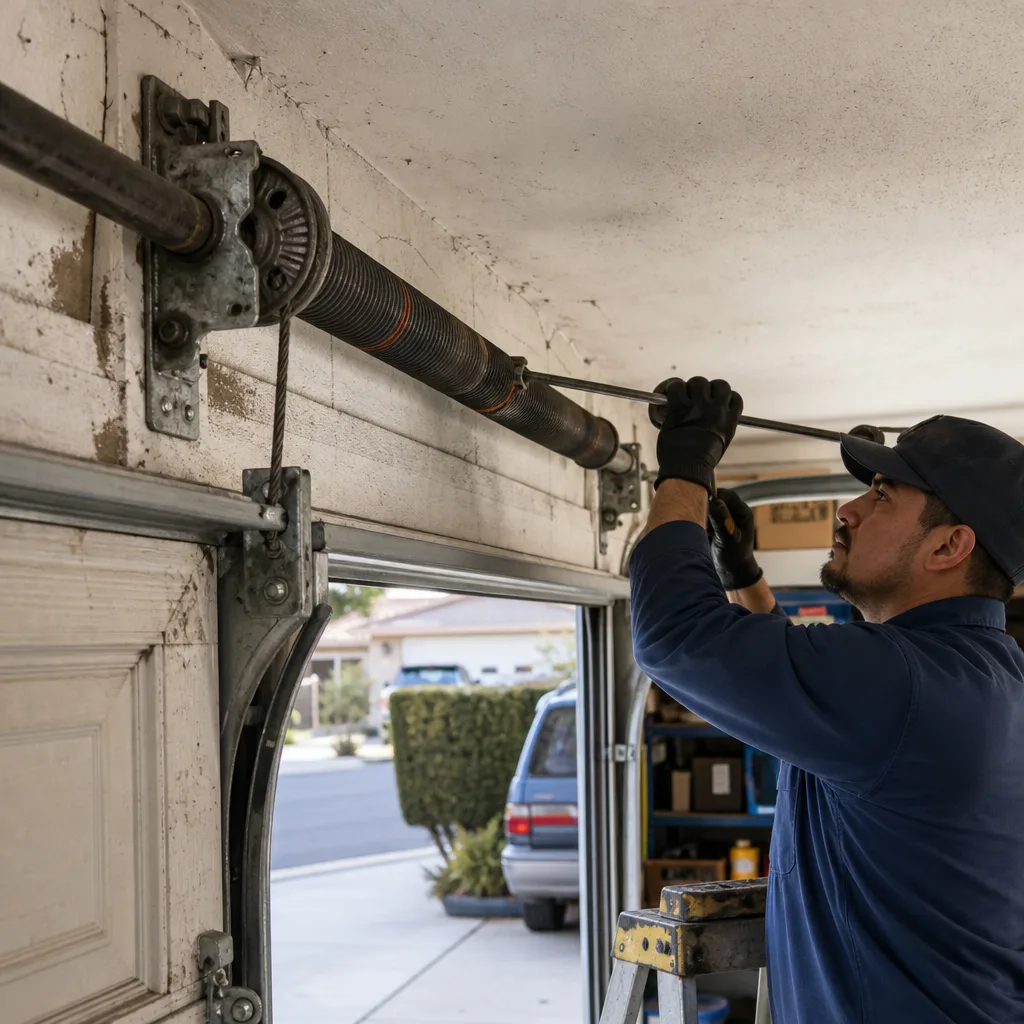 Before
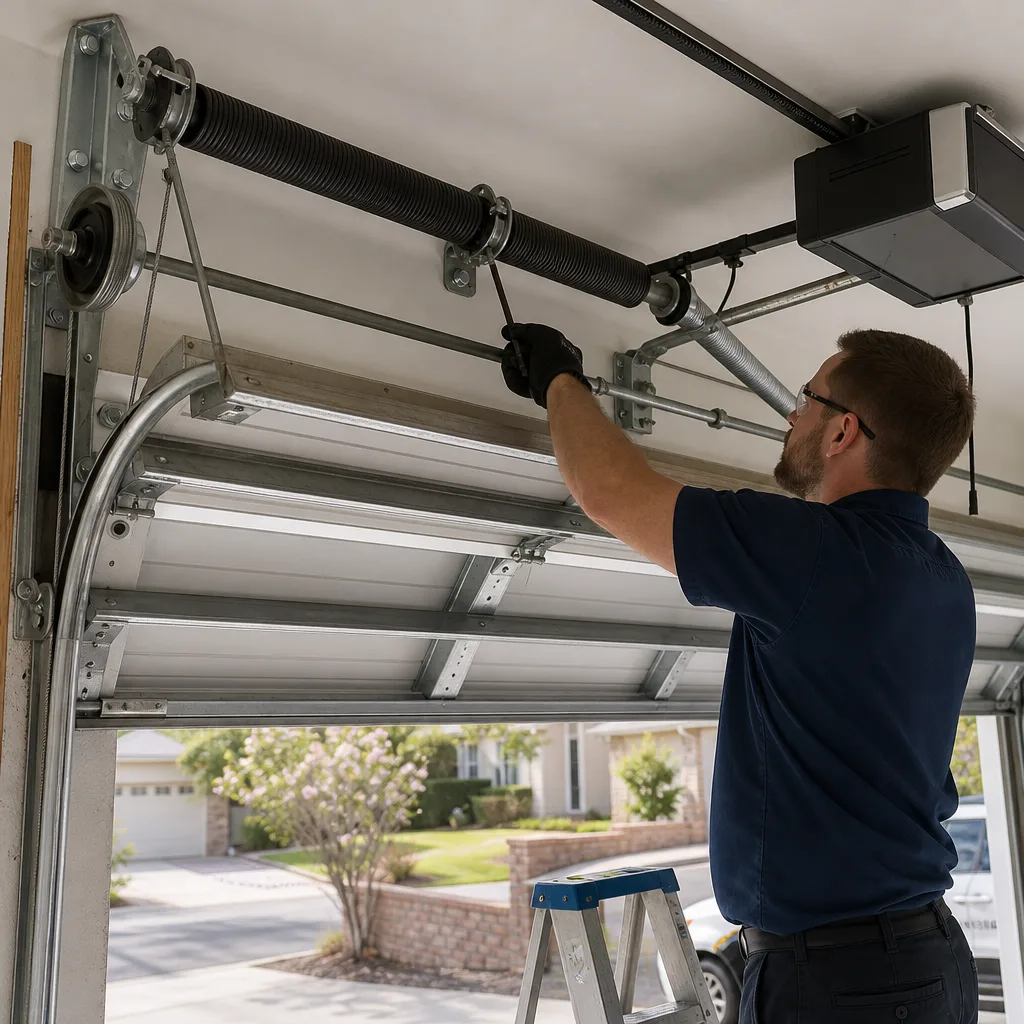 After
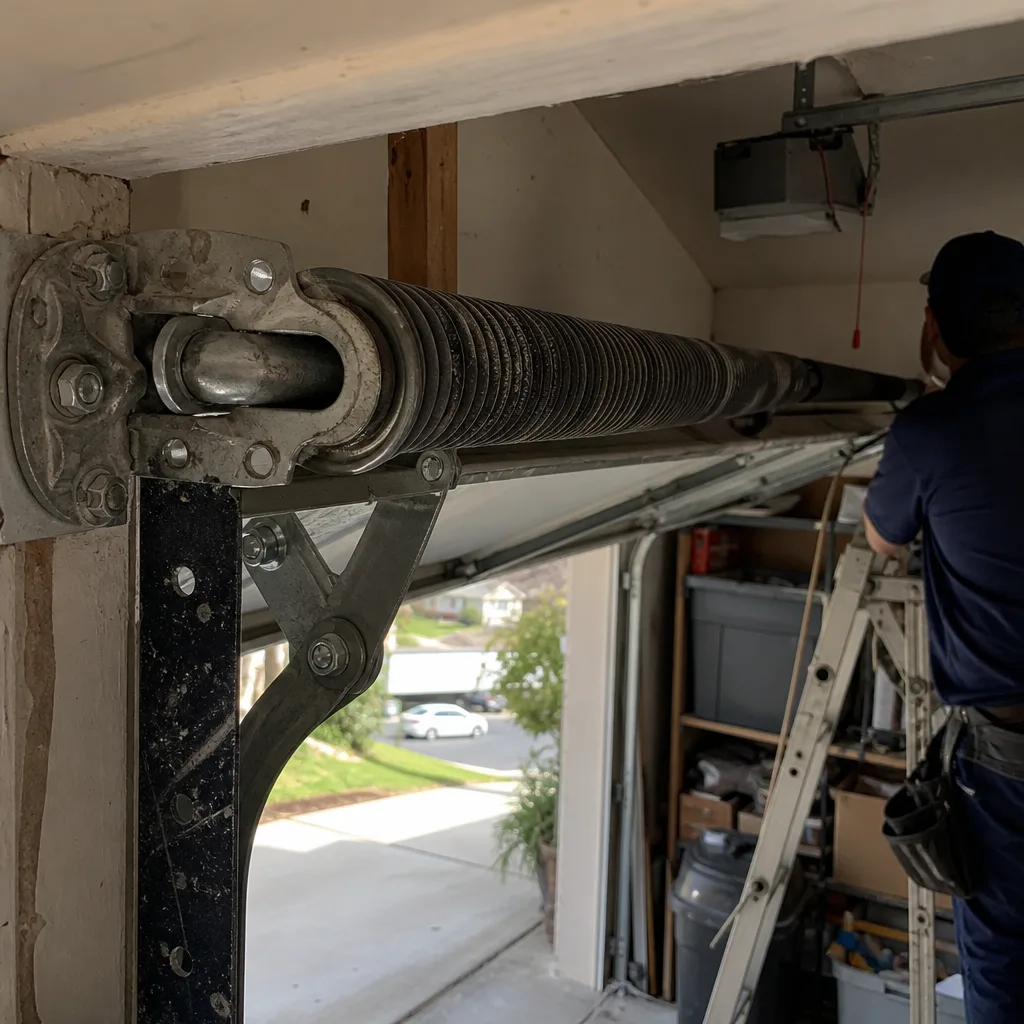 Before
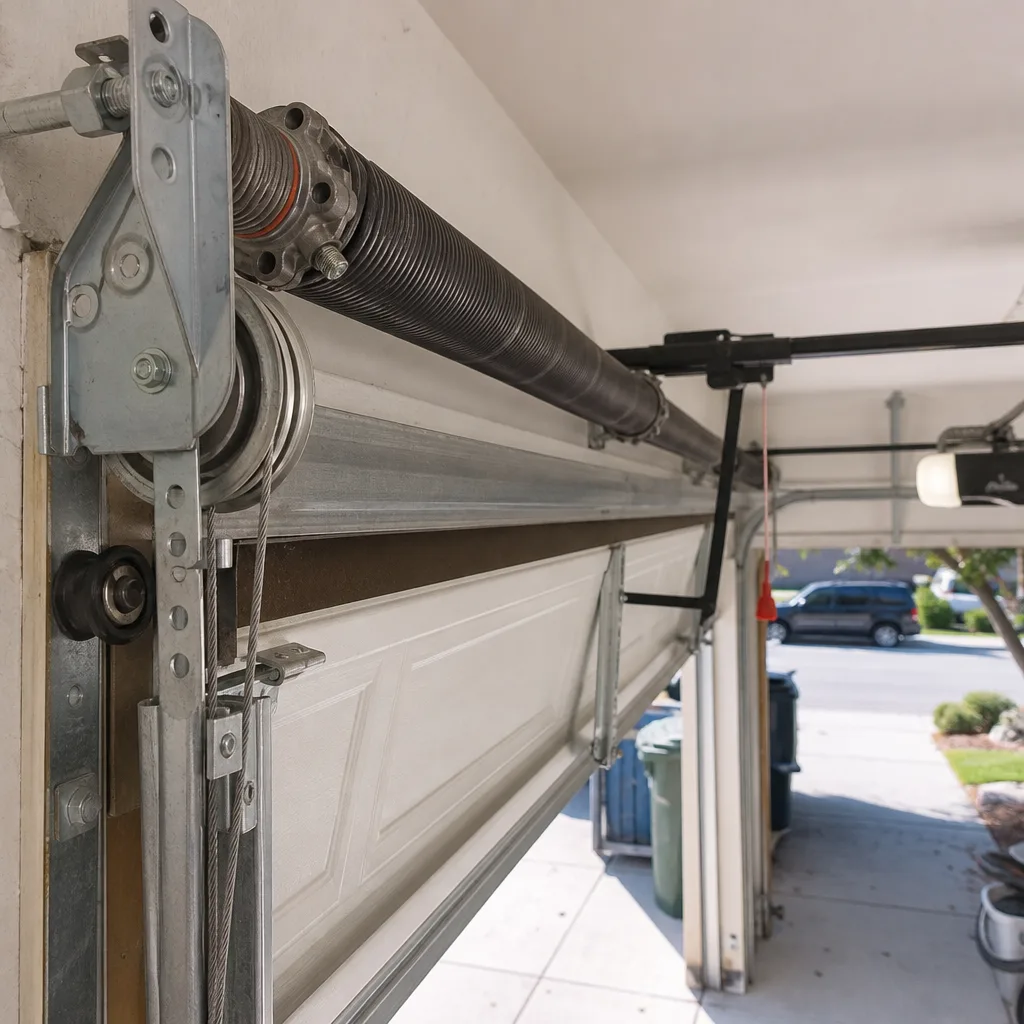 After