

Last updated October 31, 2026
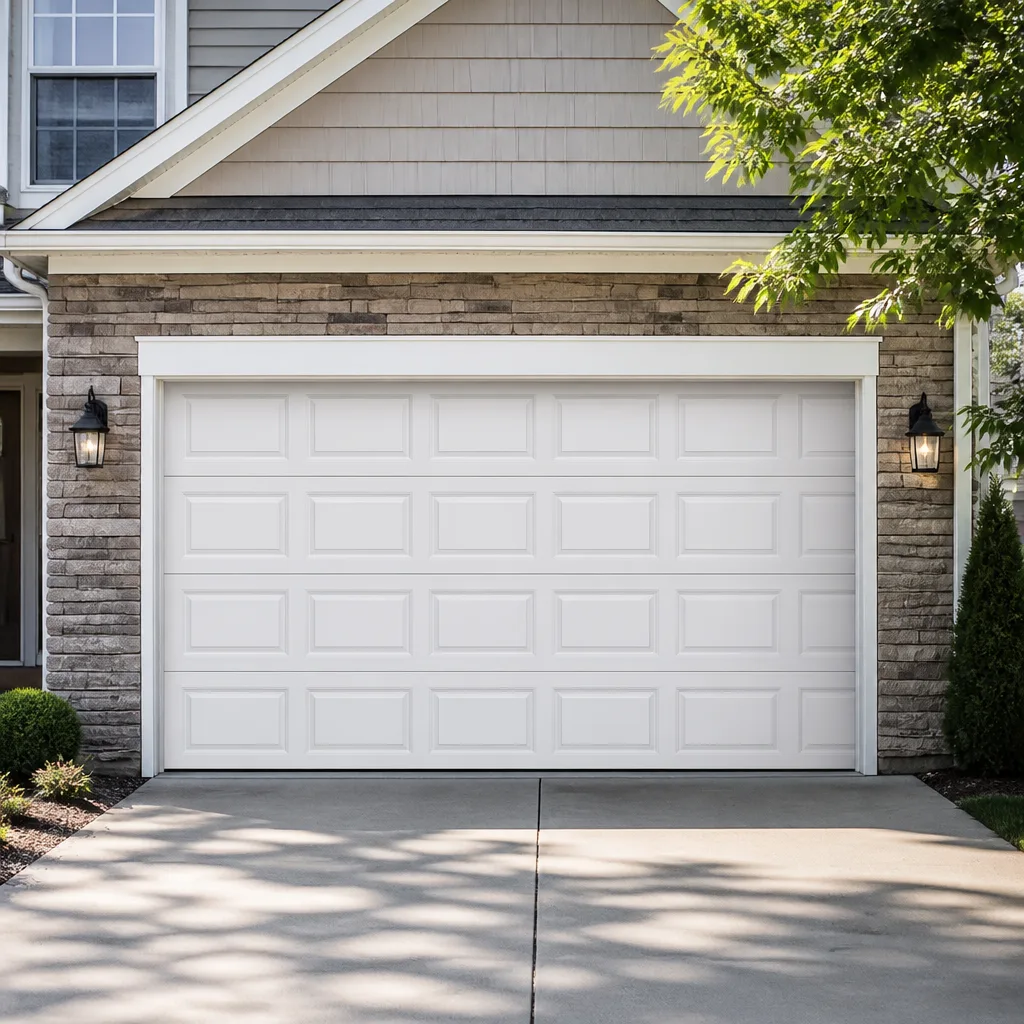 Raised-panel steel
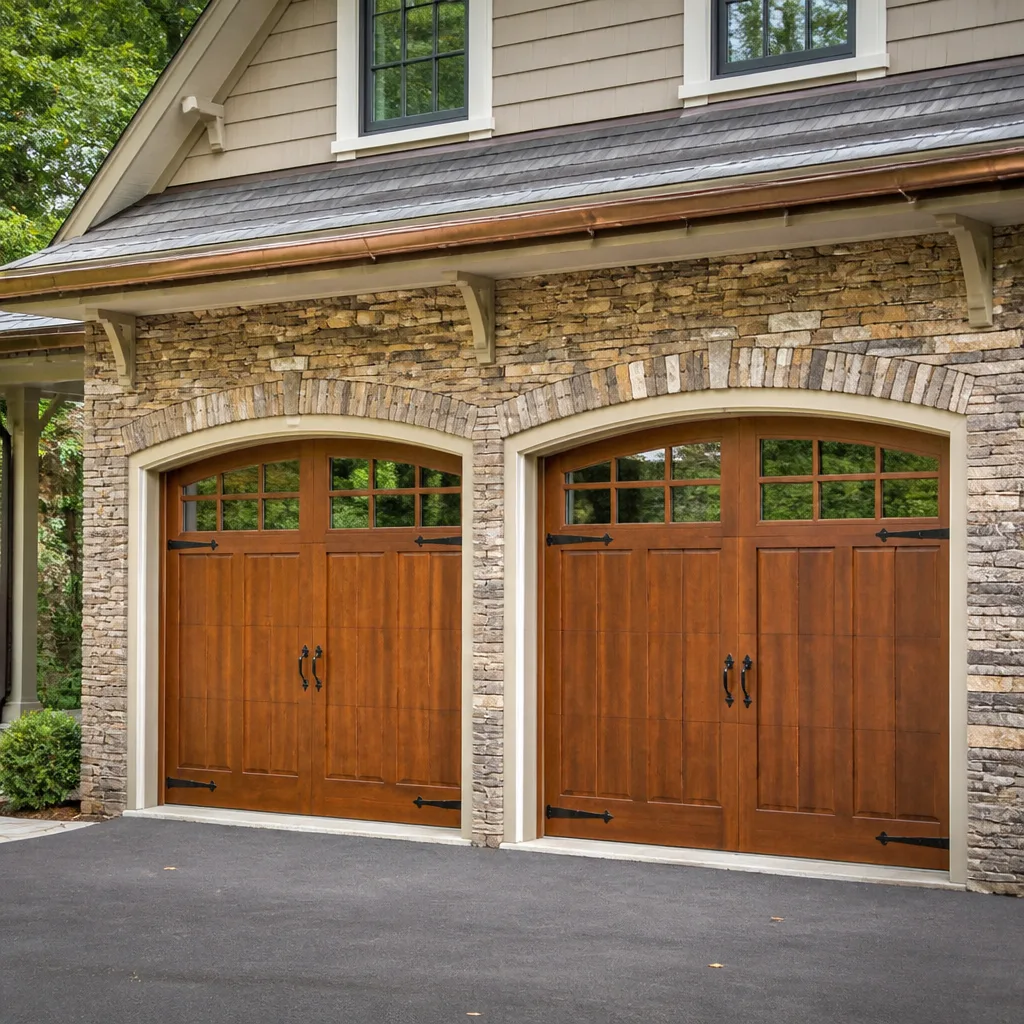 Carriage house
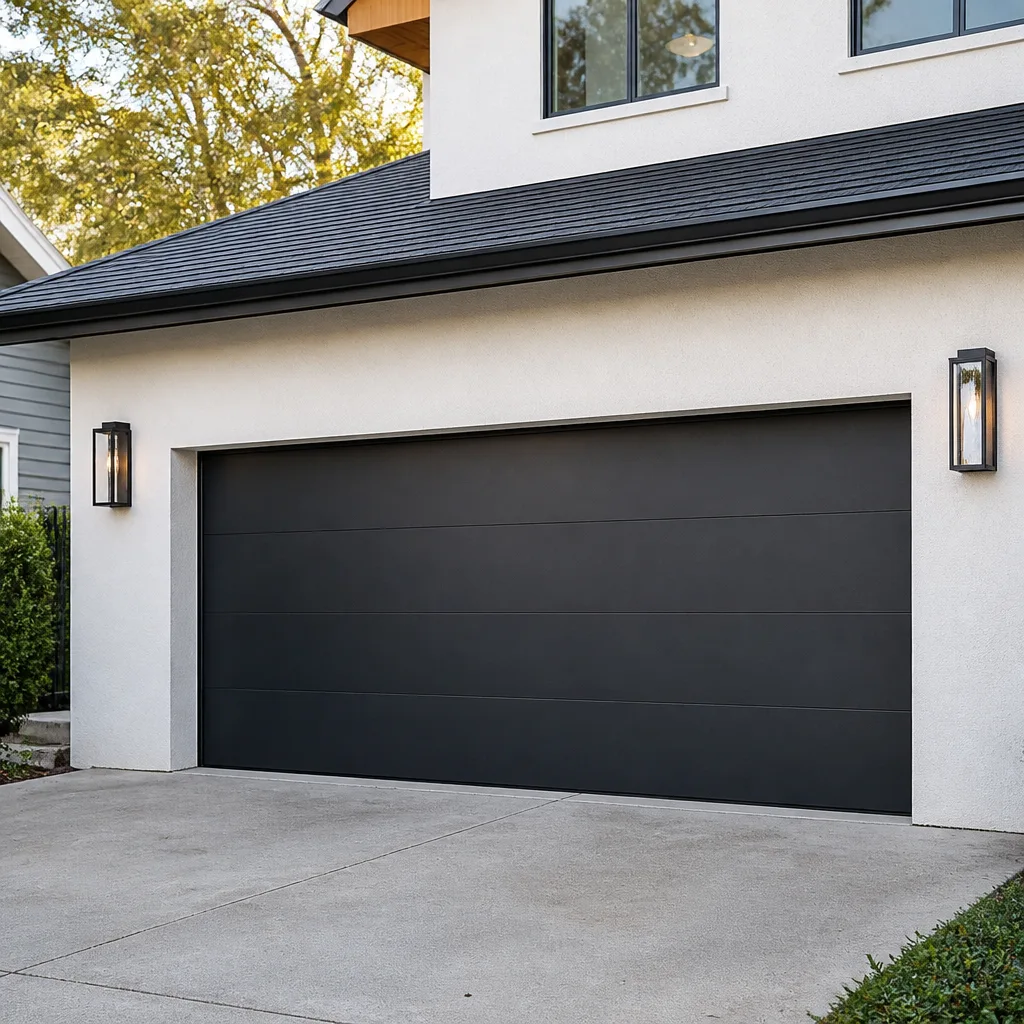 Modern flush
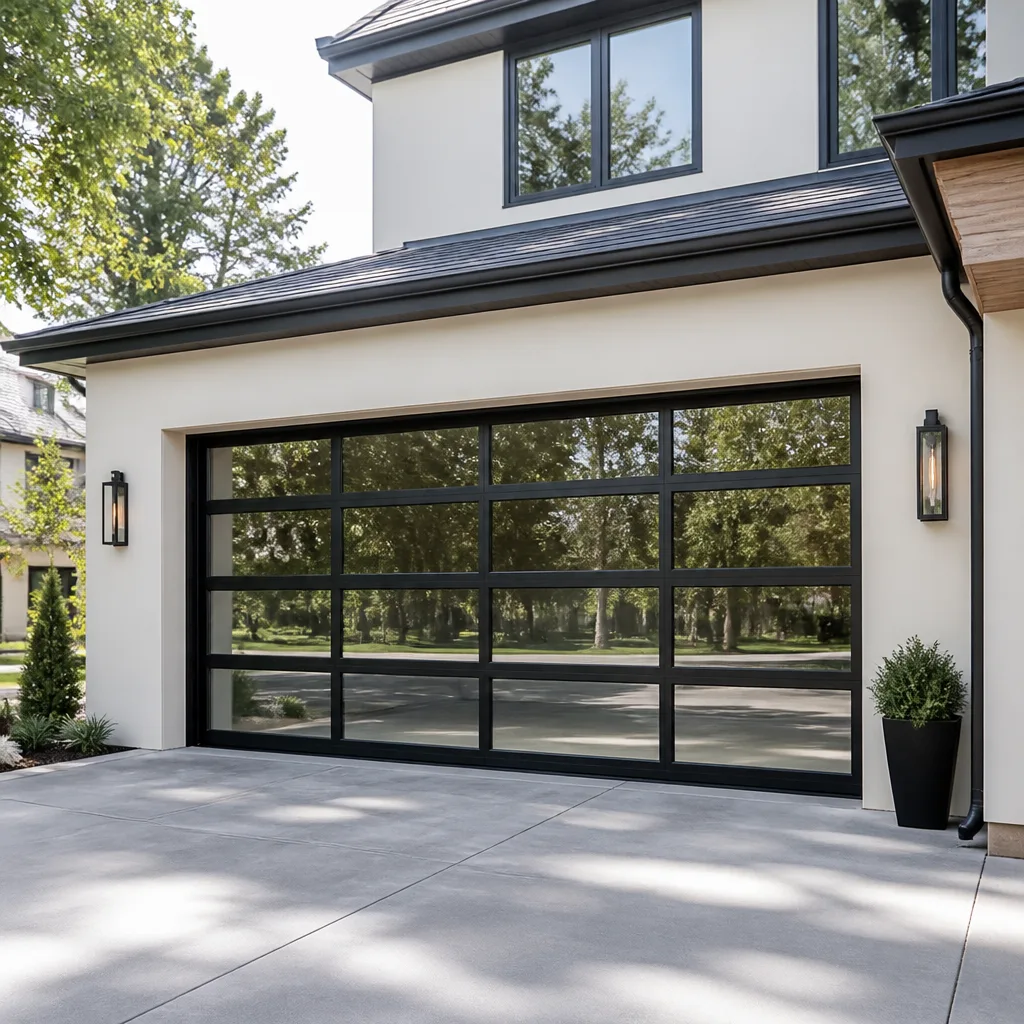 Full-view glass
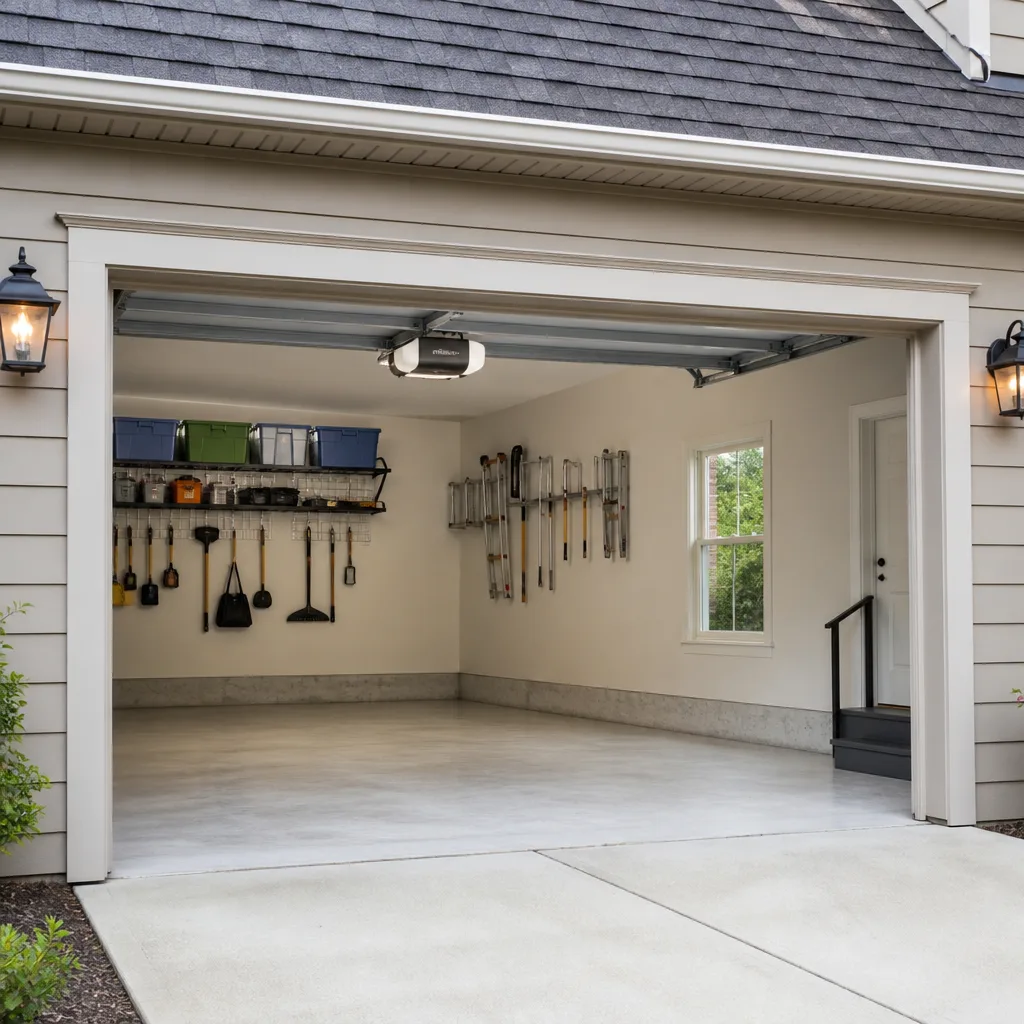 LiftMaster openers
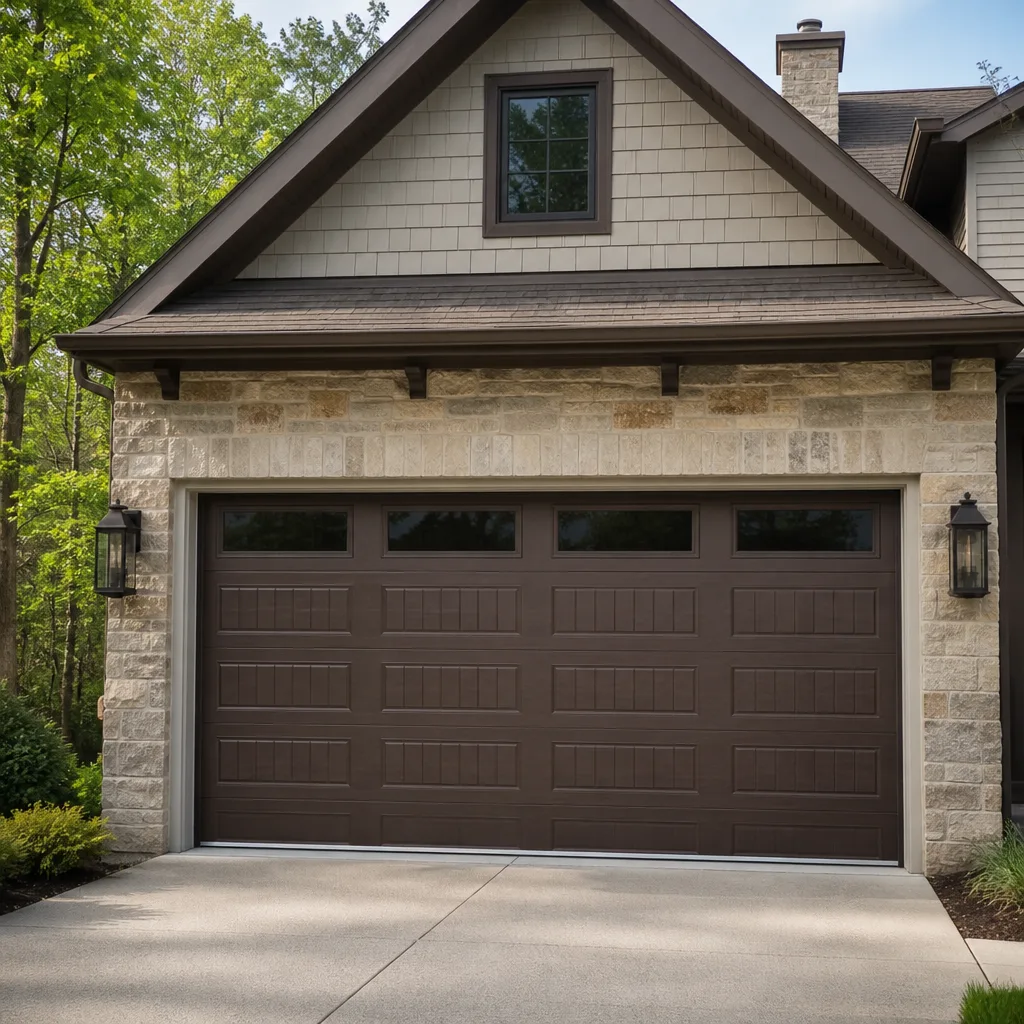 Chamberlain openers
Full 25-point door and opener safety check with every visit - springs, cables, rollers, tracks, and your LiftMaster or Chamberlain opener included
You get a price before we start. It does not change when the truck arrives.
Get your free estimateGarage Door Cost Breakdown: The San Diego Homeowner’s Reference for 2026
A homeowner in Carmel Valley told us a competitor quoted him $249 for a spring replacement. Another company in Chula Vista quoted a friend $780 for what sounded like the same thing. Both were legitimate. The difference wasn’t markup, it was what each quote actually included: spring cycle rating, warranty length, labor structure, truck stock versus special order, and whether the tech was diagnosing one spring or a pair showing uneven fatigue. San Diego’s garage door market runs 12 – 18% above the national average, and that gap is not arbitrary. This guide breaks down what you’re actually paying for, line by line, so you can compare quotes the way a contractor would, not the way a homeowner guessing at value would. For Garage Door Repair Maintenance Checklist for San Diego Homeowners and more guides & resources, see our blog.
Styles & brands we work with
Quick Answer
In 2026, San Diego homeowners should budget $180 – $340 for a single torsion spring replacement, $350 – $650 for a pair of springs with labor, $500 – $1,100 for a new opener installed, and $1,600 – $4,200 for a full garage door replacement depending on material, insulation, and HOA requirements. The biggest cost levers are spring cycle rating, door gauge, and whether your jurisdiction requires a permit. Call (833) 467-4069 for a free estimate specific to your door and neighborhood.
Table of Contents
- 2026 San Diego Labor Rate Benchmarks by Job Type
- The San Diego Material Premium: Marine-Grade, Gauge, and HOA Reality
- Permit Costs by Jurisdiction: City, County, Carlsbad, Chula Vista
- The Hidden Line Items Most Quotes Leave Out
- How to Compare Quotes Using a Line-Item Framework
- Spring Replacement Cost Deep Dive: What the Cycle Rating Buys You
- Opener Replacement Costs and Why Opener Diagnosis Is Separate
- Full Door Replacement: Material Tiers and What You Get at Each Price Point
- Common Mistakes to Avoid
- When to Call a Professional
- Frequently Asked Questions
- The Bottom Line
2026 San Diego Labor Rate Benchmarks by Job Type
San Diego’s labor market for skilled trades runs tighter than the national average, and garage door work is no exception. The county’s construction wage rates have climbed steadily since 2021, with 2026 marking another incremental rise driven by the cost of living in coastal Southern California and a persistent shortage of technicians who specialize in garage door systems rather than treating it as a side trade. Here’s what that translates to in the field.
Job-by-Job Labor Ranges
- Single torsion spring replacement: $120 – $190 labor, plus $40 – $90 for the spring itself. Total $160 – $280.
- Pair of torsion springs (recommended when both show uneven wear): $220 – $330 labor, plus $80 – $180 for springs. Total $300 – $510. High-cycle springs add $30 – $60 per spring.
- Cable replacement (single side): $80 – $130 labor, $15 – $35 material. Total $95 – $165.
- Roller replacement (set of 10 – 12): $60 – $110 labor, $2 – $8 per nylon roller. Total $80 – $185.
- Track adjustment or minor realignment: $90 – $150 flat labor. Parts rarely needed.
- Panel replacement (single panel): $180 – $300 labor, $150 – $450 per panel depending on gauge, insulation, and finish. Total $330 – $750.
- Opener replacement with new unit: $180 – $280 labor. Opener unit $220 – $800 depending on drive type, horsepower, and smart features.
- Full door removal and installation: $500 – $900 labor depending on size, weight, track configuration, and whether disposal of the old door is included.
These ranges reflect what we see across San Diego neighborhoods: Rancho Bernardo to La Mesa, Ocean Beach to Escondido. Labor in beach communities like Point Loma and Ocean Beach trends toward the higher end of the range because marine-air corrosion makes hardware removal more laborious. Bolts seize. Hinges rust. A spring swap on a 10-year-old coastal door often takes 40 minutes longer than the same job in inland Clairemont where corrosion is slower.
Why the Spread Exists
The low end of any range assumes straightforward access, a door in reasonable condition, and parts already on the truck. The high end accounts for rusted hardware, a door out of balance that needs alignment correction first, and unusual spring sizes that require a return trip. A qualified tech will explain which end of the range you’re on before work starts. If someone quotes you a single number without seeing the door, ask what assumptions that number bakes in.
The San Diego Material Premium: Marine-Grade, Gauge, and HOA Reality
San Diego is not a one-climate county. A door in Coronado lives in a salt-spray environment. A door in Alpine deals with dry heat swings. A door in Rancho Peñasquitos answers to an HOA specification that limits what you can install. These conditions push material costs 12 – 18% above what a homeowner in Phoenix or Dallas pays, and the reasons are concrete.
Marine-Grade Hardware Upcharges
Within three miles of the coast, standard galvanized hardware corrodes visibly within 3 – 5 years. Marine-grade hinges, brackets, and fasteners cost roughly $40 – $90 more per door than standard hardware, and they’re not optional in coastal zones. We’ve replaced five-year-old coastal doors where standard hinges snapped like dry twigs. In Coronado, Imperial Beach, and Solana Beach, we recommend marine-grade hardware on every repair that touches metal components. It costs more up front and buys you years.
HOA-Spec Steel Gauge Requirements
Steel door panels come in gauges from roughly 24 (thinner) to 18 (thicker and more dent-resistant). Many San Diego HOAs, especially in master-planned communities like San Elijo Hills, 4S Ranch, and Eastlake, write minimum gauge requirements into their CC&Rs. An 18-gauge steel door runs $150 – $400 more than a 24-gauge equivalent. The difference shows up as panel strength, noise during operation, and resistance to the kind of accidental bike-handlebar dent that’s a fact of life in a family garage.
Insulated Door Pricing vs. Uninsulated
An uninsulated single-layer steel door for a standard two-car garage runs $450 – $800. A double-layer door with polystyrene insulation runs $800 – $1,400. A triple-layer door with polyurethane insulation and a steel interior skin runs $1,400 – $2,600. In San Diego’s coastal climate, insulation is less about heating bills and more about two things: noise reduction if a bedroom sits above the garage, and door rigidity. A triple-layer door in a Clopay or Amarr lineup weighs more but twists less during operation, which extends spring and cable life. If your garage is attached and a living space sits above it, spend the money on at least double-layer.
What the 12 – 18% Premium Actually Looks Like
Take a pair of torsion springs. The spring itself costs the same in Phoenix as it does in San Diego. The labor is what shifts: San Diego tech rates run higher because the cost of living, insurance, and commercial vehicle operation all cost more here. Add coastal corrosion labor on top of that for beach-adjacent homes, and that’s the premium in action. It’s not a rip-off. It’s geography.
Garage Door Installation in Rancho Santa Fe projects carry a similar structure, with the added wrinkle that many Rancho Santa Fe properties have oversized or custom-sized doors that require non-standard track and panel fabrication. The labor premium in that market reflects the complexity, not any geographic surcharge.
Permit Costs by Jurisdiction: City, County, Carlsbad, Chula Vista
Garage door work is one of those gray areas where contractor practices differ. In most San Diego jurisdictions, a straightforward spring or cable replacement needs no permit. A full door replacement may, depending on the city. An opener swap typically does not, unless it’s part of a larger remodel. Here’s the 2026 landscape.
Jurisdiction-by-Jurisdiction Breakdown
- City of San Diego: Full door replacement generally does not require a standalone building permit if you’re swapping like for like. If the door is part of a larger garage renovation or the opening size changes, the permit conversation changes too. Most residential door replacements happen without permit fees, but structural modifications to the header or wall above the opening change that.
- San Diego County (unincorporated areas like Ramona, Alpine, Lakeside): County standards mirror city practice for like-for-like replacements. The county is more aggressive about inspections on new construction, but an existing-home door swap rarely triggers review. Where permits do apply, fees generally run $80 – $150.
- Carlsbad: Carlsbad has its own building code and its own historical overlay districts in the village area, where any exterior change, including a garage door, can trigger design review. Fees run higher, roughly $150 – $300 depending on the review path. If you live in Carlsbad’s coastal zone, factor this in before you fall in love with a specific door material.
- Chula Vista: Chula Vista charges a building permit fee for door replacements that run closer to $90 – $180. The city has also adopted stricter energy efficiency standards in recent code cycles, which can affect insulated door requirements if you’re touching the garage’s conditioned envelope.
What This Means for Your Quote
A contractor who quotes a full door replacement and doesn’t mention permits is either absorbing the fee silently or planning to work without one. Neither is a good signal. The honest quote tells you whether a permit applies, what it costs, and who pulls it. If your door is a like-for-like swap, you’ll probably never see a permit line item. If you live in a coastal Carlsbad home with historic designation, your door replacement is a design-review project, and that’s a different budget conversation.
The Hidden Line Items Most Quotes Leave Out
Here’s where competing quotes become genuinely difficult to compare. The most common complaints we hear from San Diego homeowners who went with a lower quote and felt burned afterward come down to line items that weren’t in the first number at all. These are the categories.
1. Haul-Away and Disposal Fees
A full door or opener replacement creates a 150 – 400 pound steel object that has to leave your property. Some companies include haul-away in the quote. Others add $60 – $150 at the end. Ask explicitly: “Does this price include removing and disposing of the old door?” If the answer is vague, budget for the fee.
2. Same-Day Service Premiums
A garage door that won’t open is an emergency. Same-day dispatch in San Diego runs $40 – $120 above a scheduled visit, and that’s defensible: the tech is re-routing a calendar to reach you. If you can schedule within a 48-hour window, you avoid the premium. If you can’t, know you’re paying for prioritization, not markup.
3. Opener Compatibility Adapters
This one surprises homeowners. You replace your 2012 Chamberlain opener with a new LiftMaster unit, and the tech says your existing wall button or remote system needs a $35 – $90 adapter to communicate with the new logic board. This is normal. Opener brands have changed communication protocols over the years, and a Genie opener from 2010 speaks a different language than a 2026 Genie unit. A conscientious tech will check compatibility before quoting.
4. Operator Bracket or Header Reinforcement
When a new opener goes on an old door, the mounting point occasionally needs reinforcement. A header plate or operator bracket runs $25 – $60. This appears mid-job more often than it appears in the quote, because the tech can’t see the header condition until the old opener comes off. A good contractor will warn you this is a possibility.
5. Spring Unemployment Work
When a spring breaks, the door hasn’t been operating correctly for weeks or months. Cables may have frayed. Rollers may have flat-spotted. A responsible tech checks the system and tells you what else is wearing. The low-ball quote replaces only the spring and leaves the rest. Six weeks later, a cable snaps. You pay another service fee. This is the difference between a repair and a responsible repair.
How to Compare Quotes Using a Line-Item Framework
When you get three quotes for the same job in San Diego, the prices will not be for the same job. That’s the core truth. Here’s a step-by-step approach to comparing them honestly.
- Force line items, not round numbers. Ask each contractor: what exactly is included? Labor, parts, permits, disposal, warranty. Write it down. A quote that says “$325 spring replacement” tells you nothing. A quote that says “$140 labor, $90 spring, $45 cycle upgrade, $25 travel, includes balance check” tells you exactly what you’re buying.
- Match spring cycle ratings. A standard torsion spring is rated for 10,000 cycles, which translates to roughly 5 – 8 years of regular use. A high-cycle spring is rated for 20,000 – 30,000 cycles, roughly 12 – 20 years. The high-cycle spring costs $30 – $60 more per spring. If one quote is $60 higher than another, check whether that gap is the cycle upgrade. If it is, the higher quote is the better value.
- Ask about the door’s balance before the quote is final. A door that’s out of balance after spring work shortens the life of every component in the system. Does the quote include balance adjustment? If the tech doesn’t mention balance at all, that’s a red flag. Balancing a door is not optional work. It’s the standard.
- Identify the opener in the quote. If the quote says “opener” without a manufacturer name, model number, horsepower, and drive type, it’s incomplete. A $400 opener and a $700 opener are different units with different lifespans and different noise profiles. You need to know which one you’re buying.
- Check the warranty language. Does the warranty cover parts only, labor only, or both, and for how long? A one-year parts warranty with no labor coverage means you pay for reinstallation if a part fails. A 90-day parts-and-labor warranty might be more valuable than a five-year parts-only warranty. Ask.
- Watch for the low-ball signal. If one quote is more than 30% below the others, look for what’s missing. Usually it’s one of the hidden categories above: no haul-away, no balance work, a 10,000-cycle spring where the others quoted 20,000, or a quote that conveniently omits the opener’s compatibility adapter. There are honest cheap quotes and there are traps. The trap usually reveals itself in the line items.
Spring Replacement Cost Deep Dive: What the Cycle Rating Buys You
The torsion spring is the most commonly replaced component on any garage door system, and it’s the one homeowners understand least. In San Diego, a single spring replacement runs $180 – $340 installed. A pair runs $300 – $650 installed. The range is driven by four factors.
Cycle Rating: The 10,000 vs 30,000 Question
Torsion springs are rated by the number of open-close cycles they’ll survive before metal fatigue sets in. A standard spring is good for around 10,000 cycles. For a family using the garage door four times a day, that’s roughly 7 years. A high-cycle spring rated for 20,000 – 30,000 cycles might last 15 – 20 years and costs $30 – $60 more per spring. The math is straightforward: the high-cycle spring costs roughly 30% more and lasts roughly three times as long.
Why the Pair Recommendation Is Honest, Not Upselling
When one spring breaks, the other is the same age, has cycled the same number of times, and is approaching its own fatigue point. Replacing one spring leaves you with an unbalanced door: one fresh spring and one tired spring working against each other. A technician who recommends replacing both is not padding the invoice. That recommendation reflects how metal fatigue works. If your budget is genuinely tight, replacing one is acceptable as a stopgap, but you’ll likely be back within 12 – 18 months for the other.
What the Labor Actually Involves
High-tension torsion springs store enough energy to cause serious injury if mishandled. This is the one repair we explicitly tell homeowners not to attempt. The work involves unwinding the old spring, measuring wire diameter, coil diameter, and spring length, installing the new spring, setting the correct tension, and then testing the door’s balance through its full travel. This is not a task for a YouTube tutorial. A trained technician has wound and set hundreds of these, and the manual feel of correct tension is not something you can learn from a video.
What We See in San Diego Specifically
In neighborhoods like Normal Heights and North Park, where many garages date from the 1930s – 1950s, we regularly find older single-panel doors that require spring sizes no longer common on modern sectional doors. Ordering those springs adds lead time and occasionally $20 – $50. In newer developments like Civita in Mission Valley, doors are standard sizes and the job is routine. The age of your home is a real variable in your quote.
Admiral Garage Door Repair works with spring and opener systems from all eight major manufacturers, including Admiral Garage Door Repair home service territory brands like Wayne Dalton and Clopay. That matters because a spring from one manufacturer’s line is not always interchangeable with another’s door geometry, and a tech who knows the difference saves you a misdiagnosis.
Opener Replacement Costs and Why Opener Diagnosis Is Separate
Opener replacement in San Diego runs $400 – $1,100 installed in 2026. The opener unit itself is $220 – $800, and labor is $180 – $280. The spread in unit cost comes down to drive type, horsepower, and smart features. Here’s the breakdown.
Drive Types and What They Cost
- Chain drive: $220 – $350 for the unit. Loudest option, most durable, and the most common entry point. Fine for detached garages or garages with no living space above.
- Belt drive: $280 – $500 for the unit. Quieter than chain drive and the standard recommendation for attached garages where a bedroom or home office sits above the door. The belt itself is a reinforced rubber compound and will need replacement at roughly the 10-year mark, but the unit noise difference is dramatic.
- Screw drive: $250 – $400 for the unit. Fewer moving parts, less noise than chain, but sensitive to temperature swings. Less common in San Diego than belt drive because the coastal climate doesn’t demand the extreme-temperature advantage.
- Jackshaft (wall-mount) openers: $450 – $800 for the unit. Mounts on the wall beside the door rather than the ceiling. The right choice for garages with low ceilings, cathedral ceilings, or a desire to reclaim ceiling space for storage. Requires a torsion spring system, which most modern San Diego doors have.
Horsepower: When It Matters and When It Doesn’t
A 1/2 HP opener handles a standard two-car sectional door fine. A 3/4 HP opener is worth the $30 – $60 premium on heavier doors: triple-layer insulated steel, custom wood doors in neighborhoods like Kensington or Mission Hills, or any door that’s been fitted with heavy decorative hardware. An oversized opener on a light door wastes energy. An undersized opener on a heavy door burns through gears in 3 – 5 years. Match the motor to the door weight.
Why Opener Repair Is Its Own Diagnosis
Here’s what we mean when we say opener repair is its own specialty. The door itself might close fine manually but refuse to respond to the opener. That’s not a door problem. It’s an operator problem: logic board, limit switch, safety sensor, travel module. A generalist who sees garage doors as one system will sometimes replace the door spring when the real fault is a bad capacitor in the opener, or replace the opener when the real fault is a door so far out of balance that it’s overloading the motor. We’ve seen this in San Diego garages where a homeowner spent $900 on a new opener only to have the same problem persist, because the underlying issue was a door that weighed 40 pounds more than its springs were set to lift. Garage Door Opener Repair in Rancho Santa Fe follows the same diagnostic discipline: separate the door-mechanical question from the opener-electrical question before touching either.
Brand knowledge matters here too. A LiftMaster opener from 2015 has different diagnostic LED patterns than a Genie from 2018, and a Chamberlain unit talks to its safety sensors differently than a Raynor does. A tech who works across these eight brands every week reads the blink codes faster and misdiagnoses less.
Full Door Replacement: Material Tiers and What You Get at Each Price Point
A full garage door replacement in San Diego runs $1,600 – $4,200 for a standard two-car door in 2026. The range breaks into clear tiers.
Tier 1: $1,600 – $2,200
Single-layer steel with a basic finish, 10,000-cycle springs, standard hardware. This is the functional entry point. It gets the door up and down, keeps the rain out, and will last 10 – 15 years with regular maintenance. The finish will fade faster in direct coastal sun, and the door will be noisier in operation. A good choice for a detached garage or a rental property where budget is the primary concern.
Tier 2: $2,200 – $3,000
Double-layer steel with polystyrene insulation, upgraded hardware, 20,000-cycle springs. This is the workhorse tier for most San Diego owner-occupied homes. Quieter, more rigid, better thermal performance. Brands like Clopay and Amarr both compete strongly in this range, and the differences come down to finish options, panel design details, and hardware quality.
Tier 3: $3,000 – $4,200+
Triple-layer construction with polyurethane insulation, steel interior skin, premium finish with longer UV warranty, 30,000-cycle springs, and likely a jackshaft opener if you’re also replacing the operator. This is the tier for a garage door that touches a primary living space, or for an HOA that requires a specific gauge and finish on a street-facing elevation. Wayne Dalton and Clopay both make strong doors in this range, and the extra spend buys you a door that should outlast your time in the home.
What Moves You Between Tiers
- Garage width: a single-car door is 8 – 9 feet wide. A standard two-car is 16 feet. An oversized two-car or custom door runs 18+ feet and costs $300 – $600 more per tier.
- Wood versus steel: real wood doors run $3,000 – $7,000 and require resealing every 2 – 3 years in San Diego’s coastal sun. They’re beautiful. They’re also a maintenance commitment.
- Windows and decorative hardware: $150 – $600 depending on how many panels and what style. These affect street presence but add nothing to function.
- Insulation value: R-value matters less in San Diego’s mild climate than it does in the Midwest, but it still affects noise and rigidity. Buy the tier that matches your garage’s relationship to your living space.
Garage Door Repair in Rancho Santa Fe reflects a similar tiering structure, with the added reality that Rancho Santa Fe properties skew toward custom doors and premium materials, so the median replacement there trends toward the top of each tier.
Common Mistakes to Avoid
- Buying the 10,000-cycle spring to save $50. The spring that costs 30% less lasts roughly a third as long. Pay for the cycle upgrade on any door you plan to own for more than five years.
- Comparing quotes by bottom-line number only. A $400 spring replacement with a 10,000-cycle spring and no balance work is not the same as a $520 replacement with a 30,000-cycle spring, balance adjustment, and cable inspection. Line items first.
- Ignoring the door’s balance after a spring repair. A door that’s 10 pounds out of balance shortens the life of every component in the system. If your tech doesn’t mention balance, ask.
- Replacing only one spring on an aging pair. This is the false-economy trap. The second spring fails within 12 – 18 months and you pay a second service fee. Replace the pair unless money is genuinely impossible.
- Skipping marine-grade hardware within three miles of the coast. We’ve seen standard hinges corrode to failure in under five years in Imperial Beach and Point Loma. The $40 – $90 upcharge is cheaper than a $200 hardware replacement in year four.
- Assuming a low quote includes haul-away. Ask explicitly. A $60 – $150 disposal fee at the end turns a low quote into an average one.
- Not asking which opener model you’re buying. “New opener installed” with no brand, model, horsepower, or drive type is an incomplete quote. Know what you’re getting. A Chamberlain and a LiftMaster at the same price point are different machines with different lifespans.
When to Call a Professional
Some garage door work is genuinely DIY-appropriate: lubricating hinges, tightening visible bolts, cleaning the safety sensor lenses. But any repair that touches high-tension springs, cables under load, or the opener’s electrical system is a different category. A torsion spring under tension stores enough energy to cause serious injury or death if it releases unexpectedly. Cable work involves the same tension system. Opener repair means working with line voltage and a system of limits and sensors that can crush or entrap if misconfigured. If your door makes a loud bang and won’t open, don’t touch it. If your door is visibly crooked or one cable hangs slack, don’t touch it. If the opener runs but the door doesn’t move, don’t guess at the cause. Admiral Garage Door Repair offers free estimates in San Diego, call (833) 467-4069. We’ll tell you what’s wrong, what it costs, and what can wait.
Frequently Asked Questions
Most San Diego garage door repairs run $95 – $650 depending on the component. A single spring replacement is $180 – $340, a cable replacement is $95 – $165, a roller set is $80 – $185, and a panel replacement is $330 – $750. Call (833) 467-4069 for an exact quote on your specific door.
Labor costs, coastal corrosion’s effect on repair time, HOA specification requirements, and permit fees in certain jurisdictions push San Diego pricing 12 – 18% above the national average. It’s not arbitrary markup. It’s the local market.
You should not. Torsion springs store enough mechanical energy to cause serious injury or death if the winding process goes wrong. This is the one repair where we strongly recommend a trained professional, every time, without exception.
For most like-for-like door replacements in the City of San Diego, no permit is required. Carlsbad and Chula Vista have different rules, and historic districts in Carlsbad can trigger design review. Ask your contractor which jurisdiction applies and whether the fee is in your quote.
At Admiral, the price is quoted and agreed before work starts. If hidden damage emerges mid-repair, we show you what we found and get your approval before proceeding. You’ll never see a surprise line item on the final invoice.
Yes. Our trucks carry springs, cables, rollers, hinges, opener parts, and safety sensors for all eight brands we service: LiftMaster, Chamberlain, Genie, Clopay, Amarr, Wayne Dalton, Craftsman, and Raynor. Most San Diego repairs are completed on the first visit. Call (833) 467-4069 if your door is down now.
The Bottom Line
San Diego garage door pricing in 2026 is not a fixed number. It’s a range driven by where you live, what brand is already on your garage, what your HOA requires, and how deep the technician looks before quoting. The homeowner who understands spring cycle ratings, steel gauge, permit jurisdiction, and the hidden line items will compare quotes accurately and buy the right amount of door for the money. The homeowner who asks only “how much?” is guessing. Be the one who asks the line-item question. Your garage door works every day, and when it doesn’t, you’ll want a specialist, not a generalist. Garage doors are all we do. For more guides & resources, visit our blog, or call (833) 467-4069 for a free estimate from the team that knows your brand.
Written by the team at Admiral Garage Door Repair, serving San Diego since 2015.
See the difference
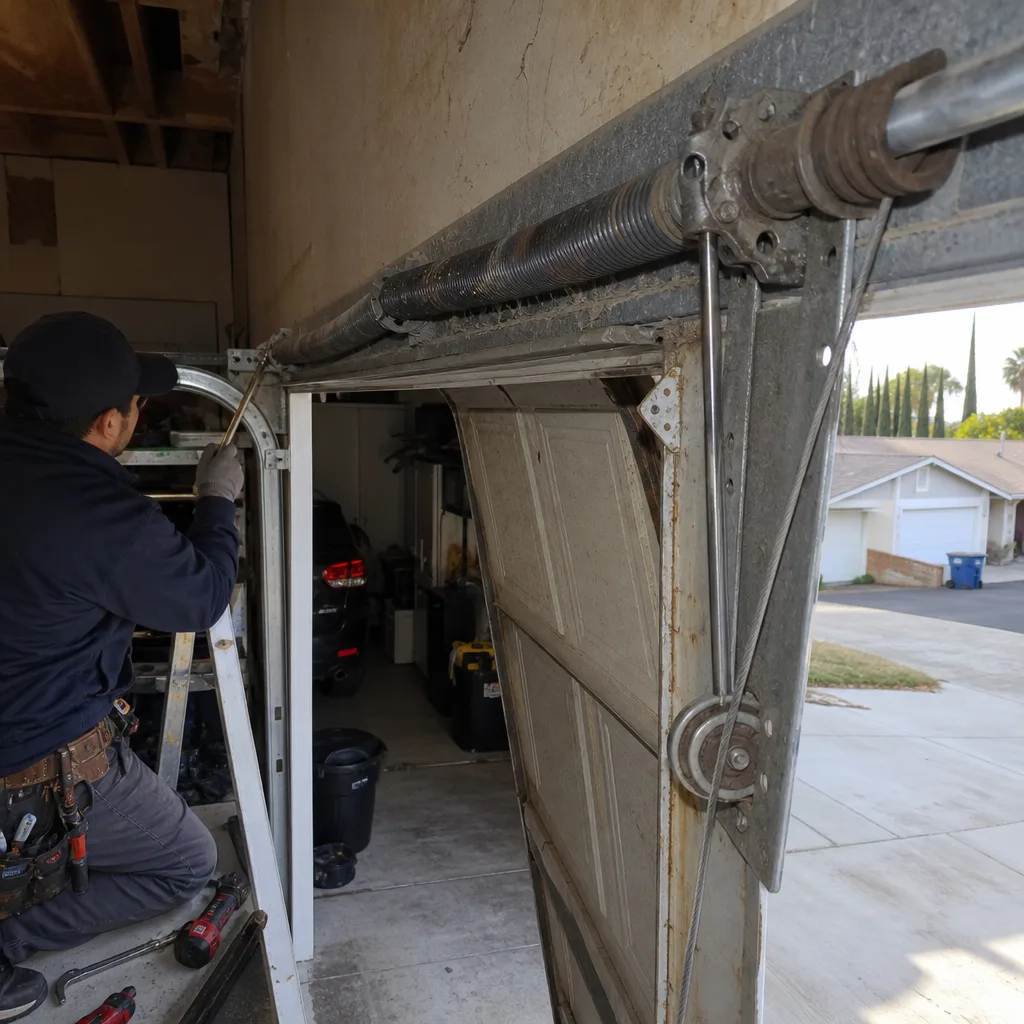 Before
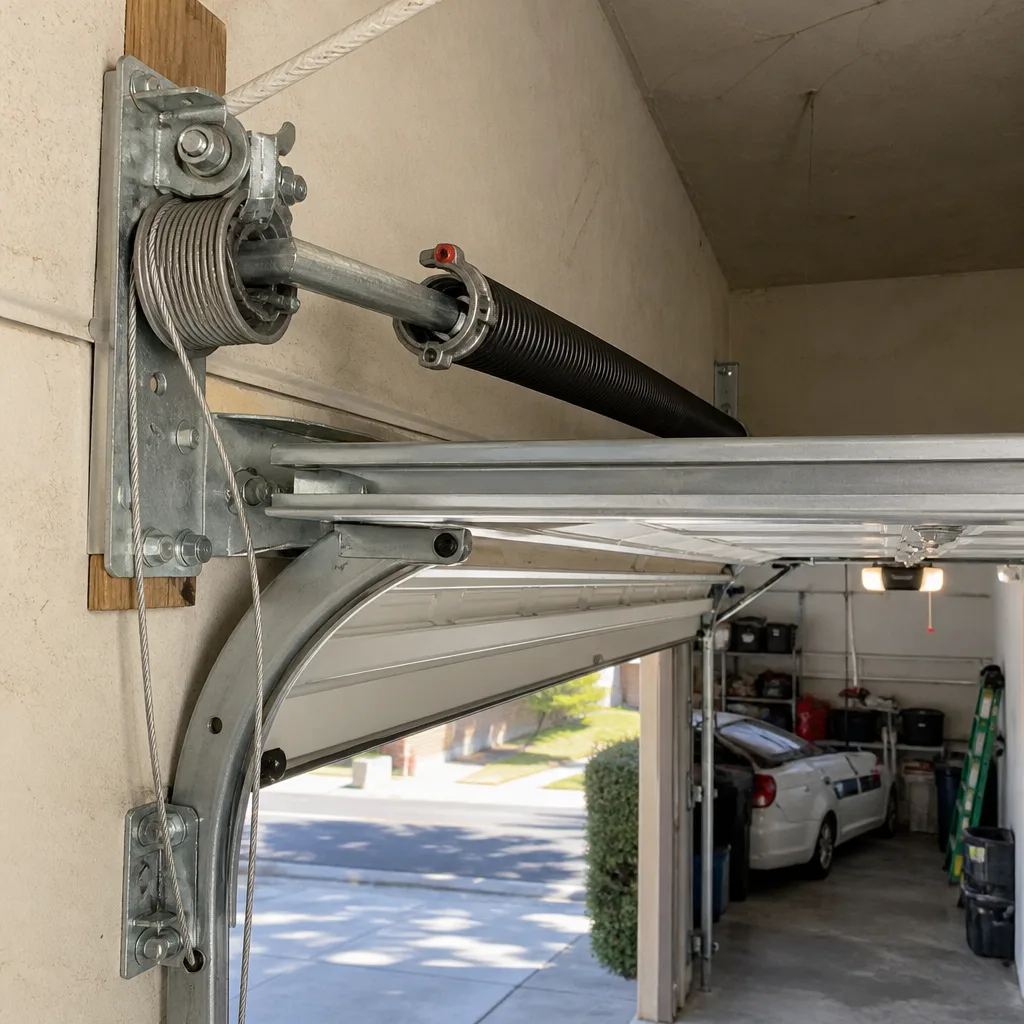 After
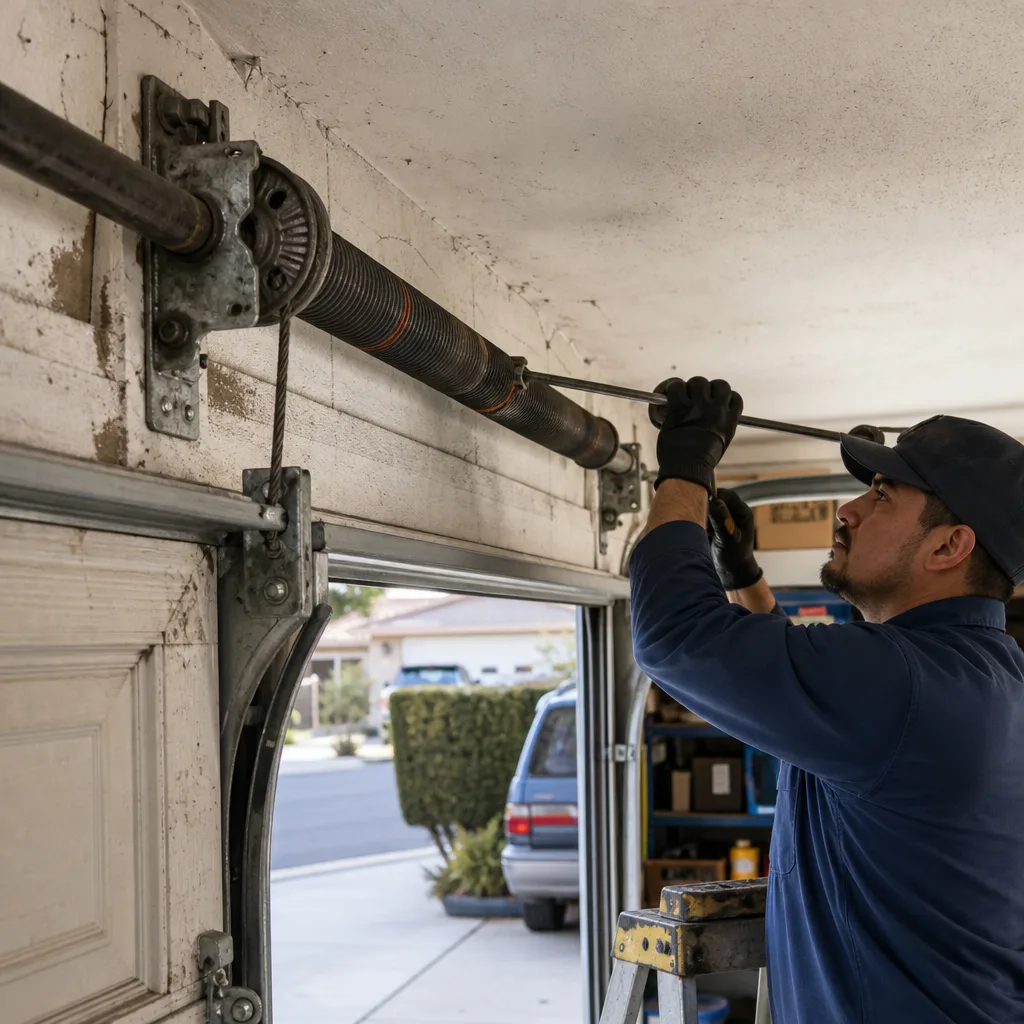 Before
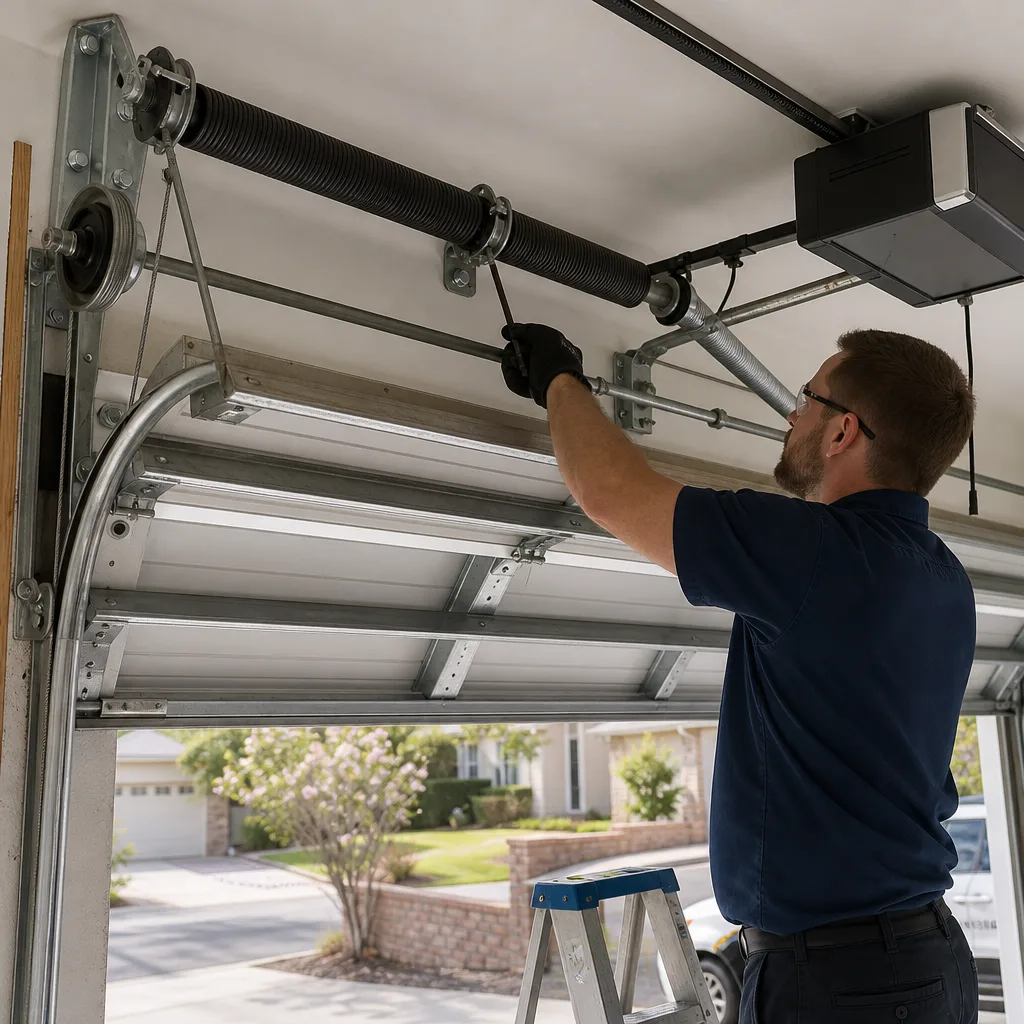 After
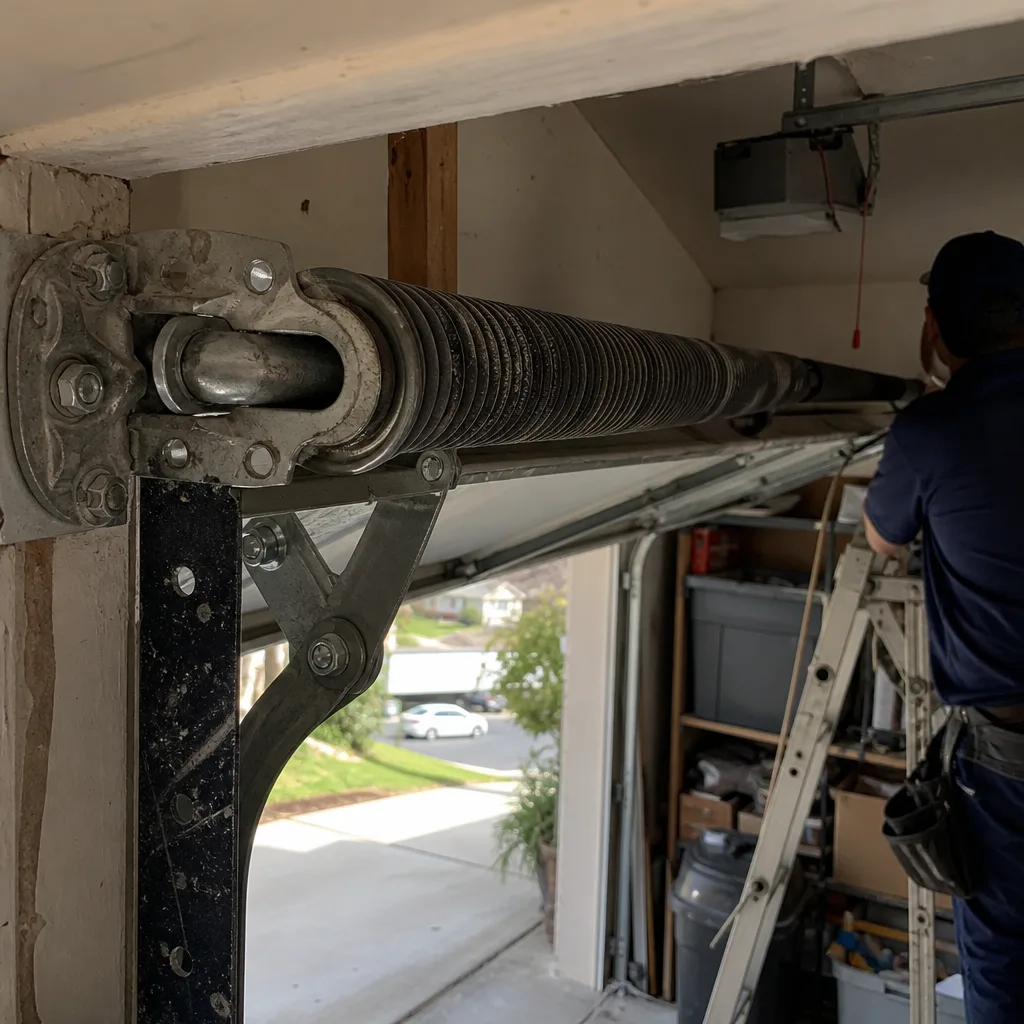 Before
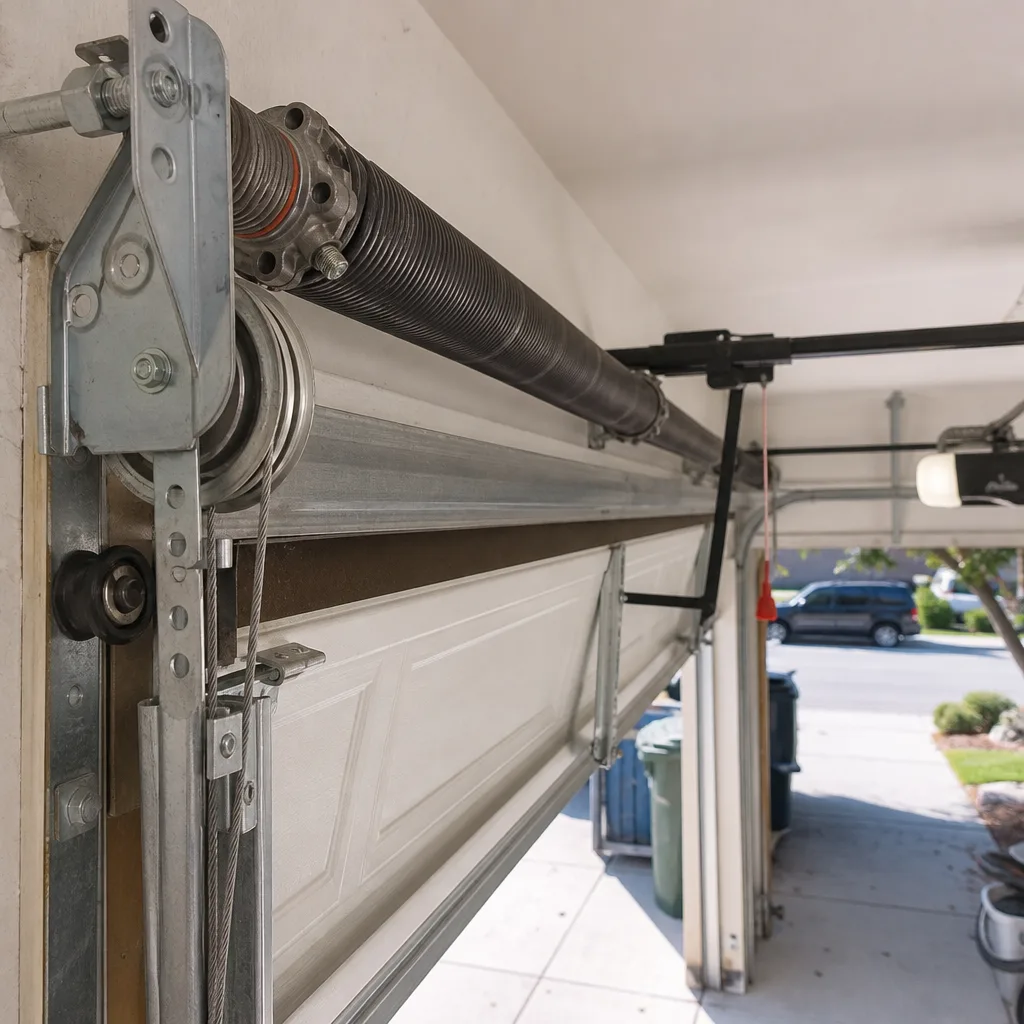 After